
DuoPlus Cloud Phone vs GeeLark: Which Anti-Detect Platform Wins?
Compare DuoPlus Cloud Phone and GeeLark for multi-account management. Real Android 15 cloud phones vs combined browser and cloud phone approach – find your best fit.

DuoPlus Cloud Phone vs GeeLark: Which Anti-Detect Platform Fits Your Multi-Account Workflow?
Managing dozens of social media, e-commerce, or crypto accounts without triggering bans used to mean juggling piles of physical phones or unreliable emulators. Today, two tools dominate the anti-detection conversation: DuoPlus Cloud Phone and GeeLark. Both promise to keep your accounts safe and separate, but they take fundamentally different paths to get there. This comparison breaks down when a dedicated Android 15 cloud phone trumps a combined browser-and-phone toolkit, and where GeeLark’s broader approach might actually slow you down.
What Are DuoPlus Cloud Phone and GeeLark?
DuoPlus Cloud Phone vs GeeLark: Which Anti-Detect Platform Wins? product interface and feature overview.
DuoPlus Cloud Phone is a pure anti-detect cloud phone platform. It gives you unlimited, isolated Android environments—each with its own hardware-level fingerprint, dedicated IP, and full mobile app support. Think of it as renting a fleet of real phones in the cloud, accessible from any browser without installing a client. It’s purpose-built for mobile-only multi-account workflows: running multiple TikTok, Tinder, WhatsApp, or crypto wallet instances without association. The standout? The world’s first Android 15 cloud phone on real ARM chips, with built-in GPS and SIM simulation for unparalleled location authenticity.
GeeLark merges two concepts into one dashboard: anti-detect browser profiles and cloud phones. You can manage both mobile app accounts and browser-based sessions from the same place. It targets a wider net of users—from social media marketers to SEO professionals—by adding no-code RPA templates, a Synchronizer for bulk action, and an AI copilot. However, this duality means GeeLark isn’t as deeply optimized for mobile-native applications as a dedicated cloud phone, and its feature set is split across two modalities.
Key Differences at a Glance
| Feature | DuoPlus Cloud Phone | GeeLark |
|---|---|---|
| Core focus | Cloud phones only (Android) | Cloud phones + anti-detect browser profiles |
| Android version | Android 15 (world’s first with real ARM chips) | ARM-based cloud phones (version not specified) |
| GPS & SIM simulation | Global GPS and SIM simulation in every instance | Proxy-based geo-spoofing (no SIM simulation mentioned) |
| Automation | AI Agent for no-code automation + RPA | No-code RPA templates; AI copilot assists with content and tasks |
| Multi-instance management | Unlimited instances, one-click skin changing, team sharing | Bulk control via Synchronizer; team sharing included |
| Extra tools | Cloud phone numbers for SMS verification | Additional browser fingerprint spoofing for web apps |
| Access method | PC & mobile browser – no client download | Web-based dashboard; likely client-free as well |
| Free plan | Free trial available | Not explicitly stated in source context |
Where DuoPlus Cloud Phone Excels
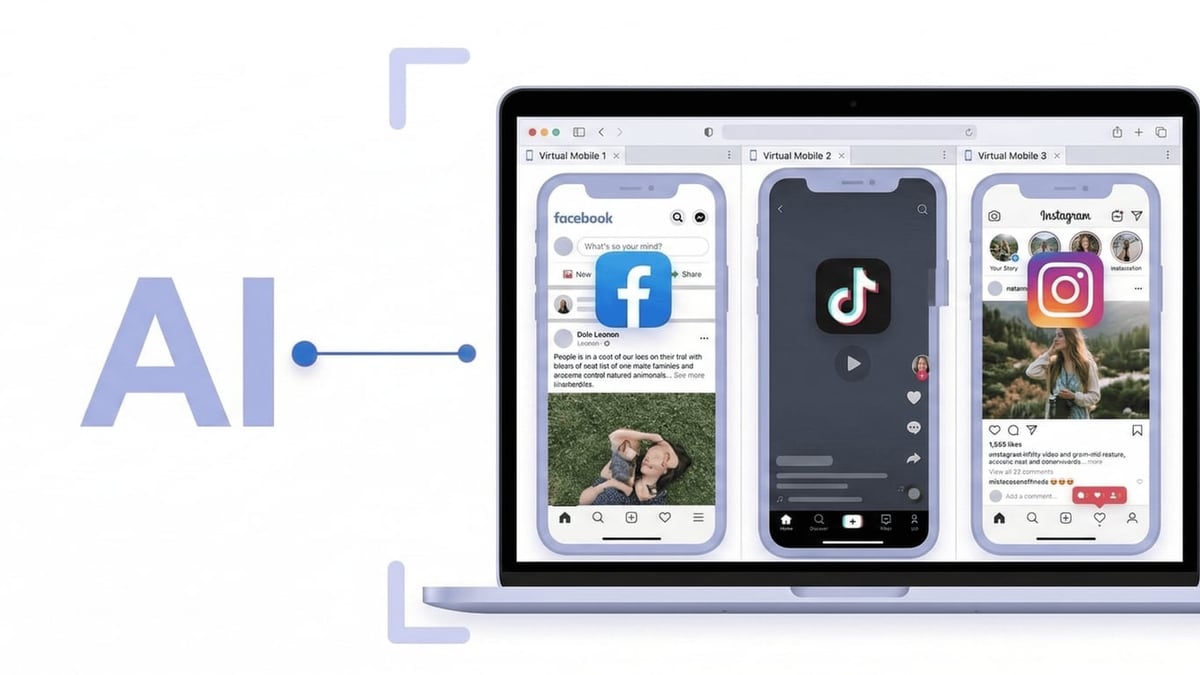
DuoPlus Cloud Phone vs GeeLark: Which Anti-Detect Platform Wins? product interface and feature overview.
1. True Android 15 with Real ARM Chips
DuoPlus is the first to bring Android 15 to cloud phones running on physical ARM processors. This isn’t a cosmetic skin or a software emulation—it’s a native mobile environment that behaves exactly like a flagship device. For platforms that aggressively check hardware integrity (think Snapchat, Google Play Services, or banking apps), this level of realism dramatically lowers ban rates. GeeLark’s ARM-based phones are solid, but the absence of a specified Android version opens questions about compatibility and shelf life as apps update.
2. Built-in GPS and SIM Simulation
Every DuoPlus cloud phone can simulate a specific country’s GPS location and carrier SIM card, going beyond basic proxy geo-spoofing. Why does this matter? Many social and dating apps (Tinder, Bumble, Vinted) flag accounts when GPS coordinates don’t align with the IP location. GeeLark relies on proxy integration to handle geolocation; there’s no mention of SIM-level simulation, leaving a potential fingerprint gap that app-based anti-fraud systems can exploit.
3. Pure Cloud Phone Focus Means Less Bloat
Because DuoPlus doesn’t split its engineering between browsers and phones, every feature is tailored to mobile app multi-account use. The one-click skin changing lets you instantly swap the entire device identity (IMEI, Android ID, MAC, and more) without reconfiguring anything. GeeLark, by contrast, asks you to switch between cloud phone and browser profile modes, introducing complexity for teams that only need mobile app sandboxes.
4. AI Agent for No-Code Automation
DuoPlus’s AI Agent allows you to automate repetitive actions across accounts by simply describing the workflow—no coding required. While GeeLark also provides no-code RPA templates and an AI copilot, the AI Agent is explicitly positioned as a “describe it, run it” tool, potentially lowering the barrier for non-technical team members.
5. Cloud Numbers for SMS Verification
DuoPlus bundles cloud phone numbers directly into the platform, streamlining account creation and verification. If you’re farming crypto airdrops or setting up bulk e-commerce seller accounts, having integrated SMS numbers saves time and avoids third-party services. GeeLark doesn’t advertise an equivalent built-in verification number feature.
Where GeeLark Falls Short for Pure Mobile Workflows
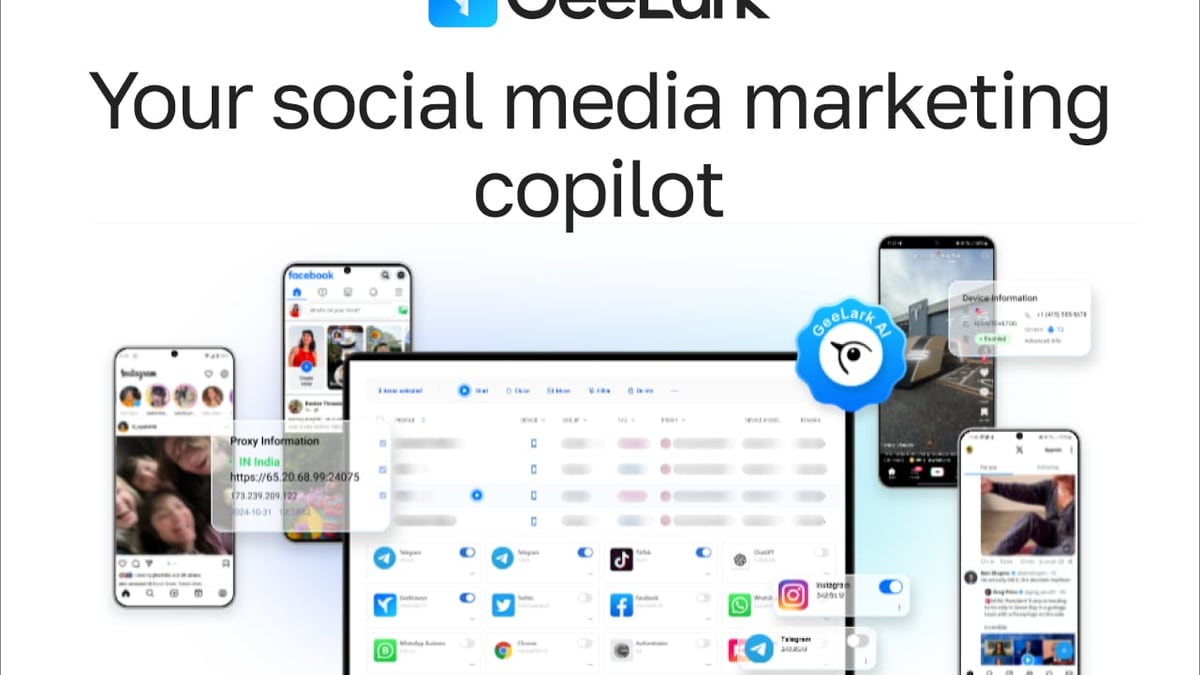
DuoPlus Cloud Phone vs GeeLark: Which Anti-Detect Platform Wins? product interface and feature overview.
1. Split Attention Between Browser and Phone
GeeLark’s biggest differentiator is also its biggest weakness when your work is exclusively mobile. The anti-detect browser profiles are excellent for managing Facebook Business Manager, Amazon Seller Central, or Google Ads accounts. But if you’re spinning up 20 TikTok accounts or managing crypto wallets on the go, that browser module adds no value—it just clutters the interface and splits development focus. Dedicated cloud phone users often find the dual-purpose design unnecessary.
2. No Confirmed Android 15 or Hypervisor-Level Isolation
While GeeLark states its cloud phones are ARM-based, the lack of a specific Android version (especially 15) means it may lag behind in app compatibility and security patch levels. DuoPlus’s Android 15 real ARM chip design leverages hardware-level isolation, making each instance virtually indistinguishable from a physical device. This difference is crucial for environments that detect sandboxing or emulator traces.
3. GPS Spoofing vs. Full SIM Simulation
GeeLark’s geo-spoofing is proxy-driven, which works for many web-based services but can fail with mobile apps that triangulate location from multiple signals (GPS, cell tower, Wi-Fi). DuoPlus’s dedicated GPS and SIM simulation aligns every layer of the location fingerprint, offering a more convincing anti-detection stack for apps that demand tight location authenticity.
4. Limited Specialized Tools for App-Only Teams
DuoPlus’s one-click skin changing, integrated cloud numbers, and dedicated mobile automation agent create a streamlined flow for app-centric teams. GeeLark, despite its Synchronizer and RPA templates, treats mobile automation as part of a larger web automation strategy, which may not be as tightly integrated or responsive to app-specific triggers.
Choosing Between DuoPlus Cloud Phone and GeeLark
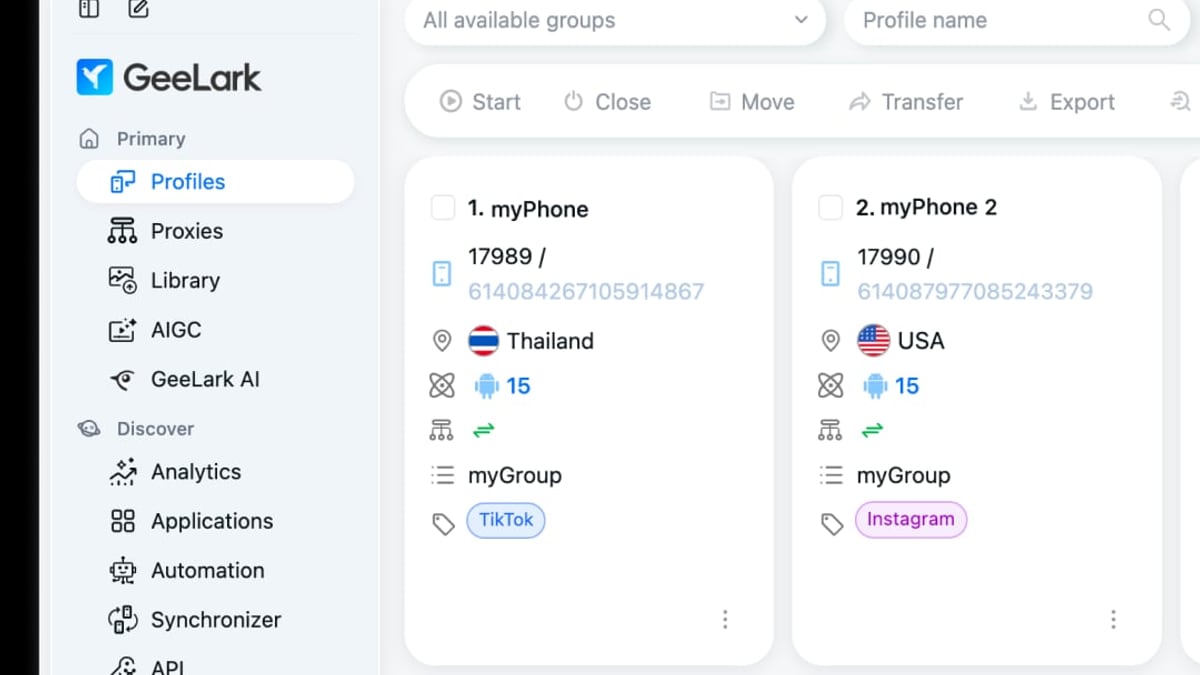
DuoPlus Cloud Phone vs GeeLark: Which Anti-Detect Platform Wins? product interface and feature overview.
Pick DuoPlus Cloud Phone if:
- 100% of your multi-account work happens inside mobile apps (social media, dating, crypto wallets, mobile games).
- You need the strongest possible anti-detection—Android 15, real ARM CPUs, GPS, and SIM simulation.
- You value simplicity: a notification-free, no-download cloud phone experience with integrated SMS verification.
Consider GeeLark if:
- You manage a mix of web-based platforms and mobile apps, and want a single dashboard for both.
- Browser fingerprint spoofing is a core part of your workflow (e.g., you run multiple Facebook Ads Manager accounts or perform SEO research).
- You don’t need absolute location authenticity for mobile apps; proxy-based geo-spoofing is sufficient.
For teams that already use an anti-detect browser like AdsPower for web accounts, adding DuoPlus as a specialized mobile layer creates a clean separation of concerns—browser profiles for web, cloud phones for apps. You can read our DuoPlus vs AdsPower comparison for deeper reasoning on that combo. And if you’re comparing cloud phone solutions side-by-side, our DuoPlus vs VMOS Cloud breakdown highlights what long-term mobile account teams should prioritize.
Related reading
- IP2Location Review 2026: IP Geolocation & Proxy Detection Tested - In-depth IP2Location review: evaluate its IP geolocation accuracy, proxy detection databases, pricing, setup, and ideal use cases for fraud prevention and localization.
- Top 10 Social Media Management Platforms in 2026 - We tested and ranked the 10 best social media management platforms for 2026. Compare features, pricing, and AI tools to pick the right scheduler for your team.
- DuoPlus vs VMOS vs SessionBox One: Multi-Account Tool Comparison - Compare DuoPlus Cloud Phone, VMOS, and SessionBox One for multi-account management. Understand when a real Android cloud phone, virtual Android, or anti-detect browser suits your team.
Sources and further reading
- AdSpy Review 2026: We Tested It, Read the Reviews, Here’s the Verdict - Is AdSpy Worth It in 2026? Facebook Ad Database Review, Filters, Pricing & $149/Month Value Analysis
- Best AdSpy Alternatives in 2026 | WinningHunter & 6 More - Explore top AdSpy alternatives like WinningHunter, Pipiads, and BigSpy. Compare pricing, TikTok coverage, and Shopify tracking in one guide.
- AdSpy vs BigSpy vs GetHookd: Pricing, Features & Reviews - Compare AdSpy vs BigSpy vs GetHookd on pricing, features, and user reviews. Find out which ad spy tool helps you find winning ads and scale faster in minutes.
Frequently Asked Questions
Does DuoPlus Cloud Phone support multi-user team access? Yes. DuoPlus allows team sharing, so you can grant access to specific cloud phones without sharing login credentials. That’s essential for agencies and e-commerce teams.
Can I use GeeLark only for cloud phones and ignore the browser part? Technically, yes. But you’d be paying for and navigating a platform that includes browser tools you don’t use. DuoPlus offers a cleaner, more focused experience for mobile-only users.
Which tool is better for crypto airdrop hunting? DuoPlus Cloud Phone is often the stronger choice. Its GPS/SIM simulation and Android 15 real ARM environment make each wallet account look like a distinct physical device, reducing the chance of Sybil detection by airdrop projects.
Do both platforms offer automation? Both offer no-code automation, but DuoPlus’s AI Agent takes a descriptive approach (tell it what to do), whereas GeeLark provides RPA templates and an AI copilot. Either can automate bulk actions; your preference will hinge on which workflow feels more natural.
Is there a free trial? DuoPlus explicitly provides a free trial plan; GeeLark’s free trial availability isn’t confirmed in our sources. You can start with DuoPlus to test Android 15 environments risk-free.
Final Verdict
DuoPlus Cloud Phone and GeeLark aren’t direct competitors in the way two cloud phone services would be—they represent different philosophies. GeeLark’s hybrid browser-phone model is a competent jack-of-two-trades, but for anyone whose world revolves around mobile apps, DuoPlus’s singular focus, Android 15 innovation, and hardware-level anti-detection deliver a more robust, future-proof solution. The choice boils down to one question: are your accounts living in web browsers or inside apps? If they’re in apps, DuoPlus Cloud Phone is the safer, simpler bet. At DuoPlus Cloud Phone, we consistently see teams reduce bans and simplify operations when they match the tool’s core strength to their primary platform.