
DuoPlus vs GeeLark vs VMOS Cloud Phone: Honest Comparison
Compare DuoPlus Cloud Phone, GeeLark, and VMOS for multi-account management. We break down anti-detection, automation, pricing, and best use cases.
DuoPlus vs GeeLark vs VMOS Cloud Phone: Honest Comparison
Running dozens of social media, e‑commerce, or crypto accounts without getting linked and banned is a nightmare. Cloud phones promise a way out—isolated Android environments that mimic real devices, each with its own fingerprint and IP. But choosing between DuoPlus Cloud Phone, GeeLark, and VMOS isn’t trivial. All three let you manage multiple accounts from a browser, yet their strengths diverge sharply. This article compares them on anti‑detection, automation, operating system, browser integration, team collaboration, and pricing so you can pick the tool that fits your workflow.
What Are Cloud Phones and Why Compare These Three?
DuoPlus vs GeeLark vs VMOS Cloud Phone: Honest Comparison product interface and feature overview.
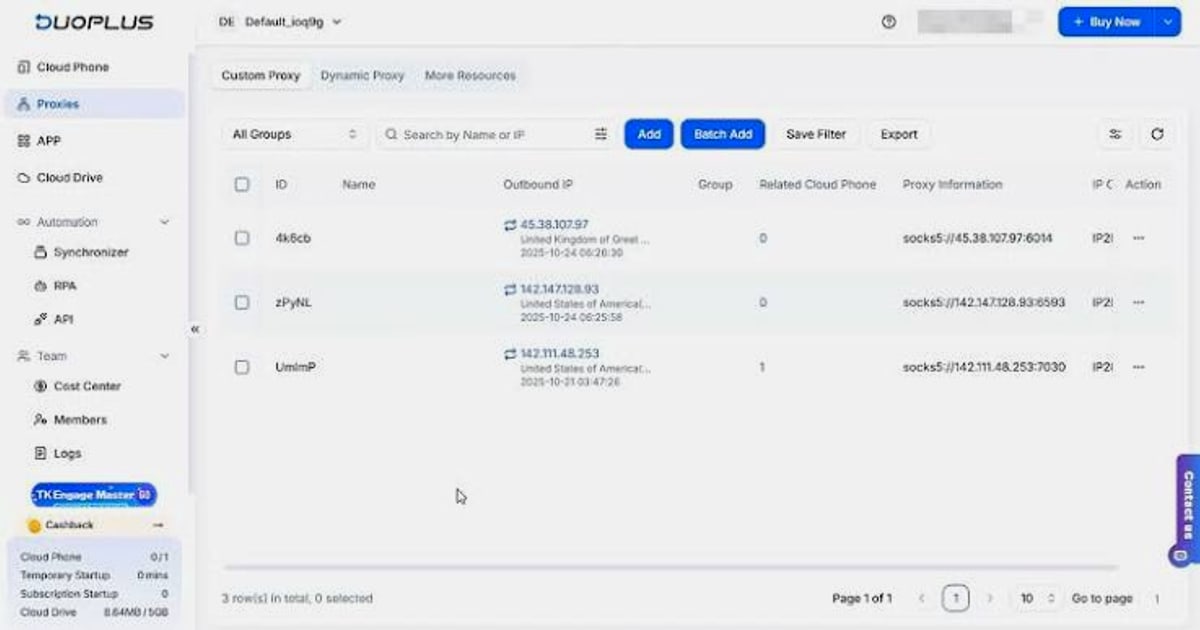
A cloud phone is a full Android instance running on a remote server, accessible through any web browser—no physical device, no emulator lag. Marketers and growth hackers use them to create unique device fingerprints, spoof locations, and avoid platform bans. DuoPlus, GeeLark, and VMOS each offer a twist on this concept. DuoPlus focuses on pure anti‑detect cloud phones with the latest Android 15 and an AI automation agent. GeeLark fuses cloud phones with anti‑detect browser profiles for a unified dashboard. VMOS wraps virtual Android environments in a global proxy network with AI customer service. The table below gives a snapshot.
| Platform | Core Offering | Key Distinction |
|---|---|---|
| DuoPlus Cloud Phone | Anti‑detect cloud phones with Android 15, GPS/SIM simulation, AI Agent | First Android 15 cloud phone on real ARM chips; built‑in cloud numbers for SMS verification |
| GeeLark | Cloud phones + anti‑detect browser profiles, bulk Synchronizer, AI Copilot | Unified mobile‑app and browser‑profile management; zero‑ban dropshipping case study |
| VMOS | Android virtualization + global proxy network + AI‑powered customer service | All‑in‑one product matrix for cross‑border teams; privacy‑focused, no PII collected |
Anti‑Detection and Device Fingerprinting
DuoPlus vs GeeLark vs VMOS Cloud Phone: Honest Comparison product interface and feature overview.
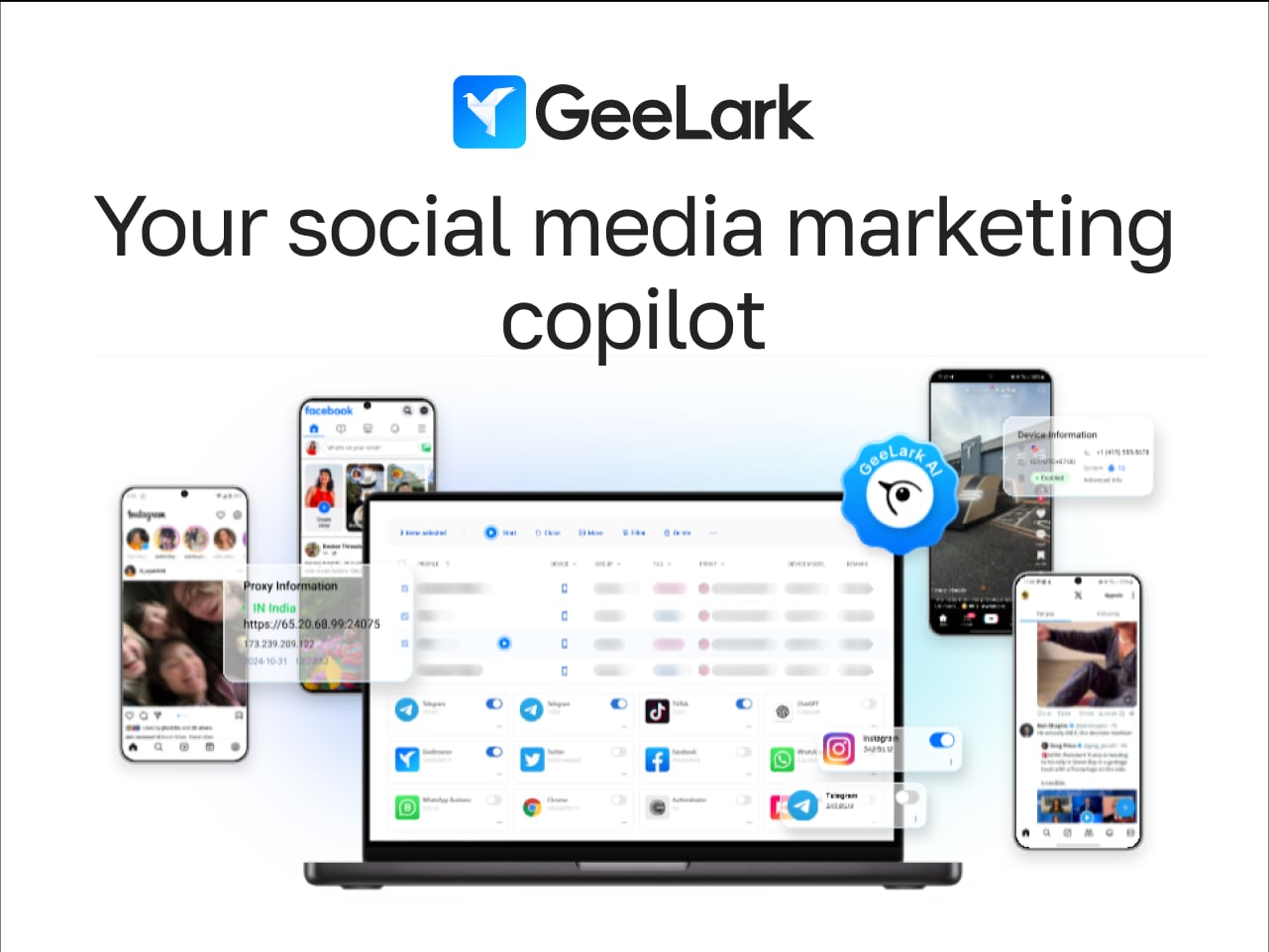
GeeLark generates a unique hardware ID for every cloud phone instance—IMEI, Android ID, MAC address—and pairs it with spoofed browser fingerprints. Because the same profile can spin up a real ARM‑based cloud phone and a desktop browser with matching attributes, platforms see a coherent, natural user. Its Synchronizer then lets you perform actions across hundreds of profiles without triggering association checks.
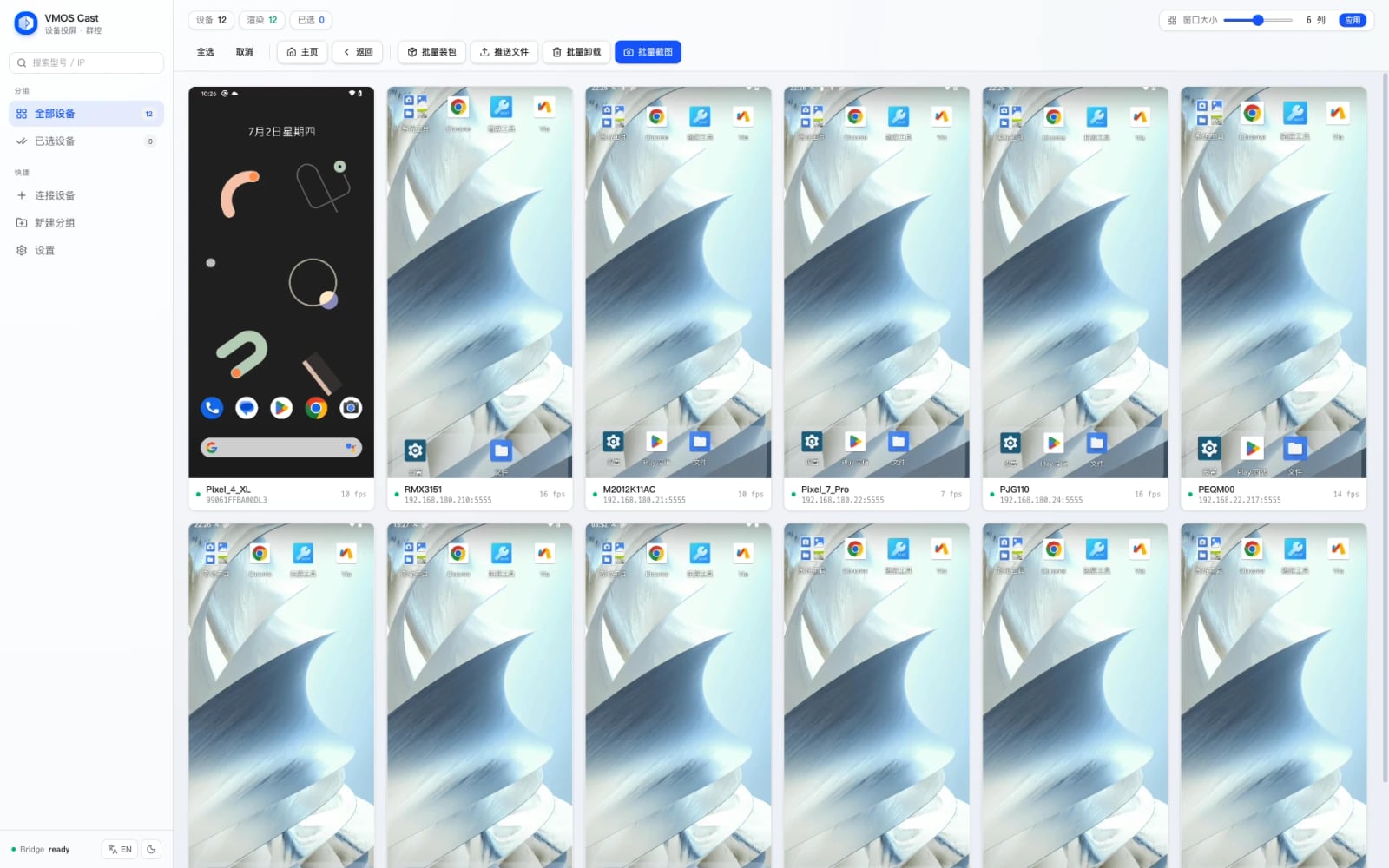
VMOS isolates each Android instance inside a virtual machine on cloud servers, with separate system images and proxy assignments. Combined with its global proxy network, it creates genuinely independent browsing environments. VMOS emphasizes that it collects no personally identifiable information, only non‑personal technical data, adding a privacy layer that users in sensitive verticals appreciate.
Where DuoPlus has an advantage: DuoPlus runs on real ARM hardware with Android 15, delivering device fingerprints that are indistinguishable from physical phones. It also simulates GPS coordinates and mobile network parameters (SIM operator, signal strength) at the instance level—something many virtual Android platforms skip. The result is a tighter anti‑association shield for apps that aggressively probe the mobile environment, like TikTok or Tinder.
Automation and Bulk Operations
DuoPlus vs GeeLark vs VMOS Cloud Phone: Honest Comparison product interface and feature overview.
GeeLark packs a no‑code RPA template library and an AI Copilot. The Synchronizer lets you swipe, type, and tap on one master instance while the action gets mirrored across all selected cloud phones. For social media marketers running identical campaigns across dozens of TikTok accounts or affiliate marketers performing repeated airdrop tasks, this slashes manual effort. The cited case study of a dropshipper reclaiming 31 hours per week and tripling revenue underscores its real‑world impact.
VMOS leans on AI‑powered customer service modules and presumably some level of scriptable device management, though its automation layer is less publicly documented. The product matrix is evolving, and its proxy‑network integration hints at workflow automation for geo‑diverse operations.
Where DuoPlus has an advantage: DuoPlus ships with an AI Agent that builds multi‑step automations through a natural‑language interface—no coding required. It also includes an RPA engine for bulk tasks like mass‑following, posting, or data scraping. For crypto airdrop hunters who need to interact with dApps across thousands of wallets, the combination of unlimited multi‑instance cloud phones and one‑click AI scripts can save days of repetitive work.
Operating System and Hardware Compatibility
GeeLark runs ARM‑based cloud phones with current Android builds (generally Android 12+). The ARM architecture ensures apps that check for x86 emulation don’t break, which is critical for banking apps, certain social platforms, and high‑security apps.
VMOS offers virtual Android devices on cloud servers, which often leverage QEMU‑based virtualization. While the exact OS version isn’t publicized as aggressively, the emphasis is on stable, privacy‑respected environments rather than being on the cutting edge.
Where DuoPlus has an advantage: DuoPlus is the world’s first cloud phone platform to offer Android 15 running on real ARM chipsets. This matters because many apps now check the OS build date and security patch level. Being on the latest version with a genuine chip signature bypasses advanced detection mechanisms that flag older Android virtual instances. For e‑commerce sellers on platforms like Amazon Seller Central or managers of banking‑linked crypto apps, this hardware‑level anti‑detection is a decisive differentiator.
Browser Integration
The cloud phone vs. anti‑detect browser debate often misses a key point: many tasks need both. GeeLark brilliantly bridges the gap. From a single dashboard, you can launch a cloud phone for mobile‑only apps (WhatsApp, Instagram) and a browser profile for web‑based platforms (Facebook Ads Manager, Google Ads). The fingerprints are coordinated, so Google doesn’t see a mobile‑phone profile suddenly logging in from a desktop browser with a mismatched canvas hash. This unified approach is GeeLark’s standout strength—perfect for agencies that manage client ad accounts and social media profiles simultaneously.
VMOS and DuoPlus do not offer built‑in anti‑detect browser profiles. If your workflow demands both mobile app and desktop browser operations with aligned fingerprints, GeeLark is the only one of the three that delivers that natively. (DuoPlus and VMOS can still be used alongside a separate anti‑detect browser, but you lose the seamless fingerprint matching.)
Proxy and Location Simulation
VMOS integrates a global proxy network directly into its product matrix, so you can route cloud device traffic through residential or mobile IPs in dozens of countries without third‑party tools. This is a huge plus for cross‑border teams that need geo‑specific access for market research, price comparison, or ad verification.
GeeLark supports proxy integration—HTTP, SOCKS5, SSH—and lets you attach a unique IP to each cloud phone or browser profile. The setup is flexible but does require you to bring your own proxies. Its built‑in geo‑spoofing pairs well with quality residential proxies, giving you control over IP rotation and location.
Where DuoPlus has an advantage: DuoPlus provides dedicated IPs for each cloud phone out of the box, along with GPS and SIM simulation that actually spoofs network carrier details. This native integration means you don’t need to configure a proxy per instance; turnkey global simulation is included, and for SMS verification, DuoPlus also sells cloud numbers that can receive verification codes—a feature neither GeeLark nor VMOS bundles in the same way.
Team Collaboration and Multi‑User Access
GeeLark supports team workspaces with role‑based access, making it straightforward to share cloud phones and browser profiles across marketing teams. The Synchronizer can be controlled by a team lead while operators monitor actions in real time.
VMOS includes cloud device management designed for cross‑border teams, with centralized control over many virtual Android instances.
Where DuoPlus has an advantage: DuoPlus offers one‑click team sharing: you can assign a cloud phone to a team member with view‑only or full‑control permissions, and the entire team works from a web browser without installing any client. This reduces hardware costs for agencies and allows seamless handoffs between social media managers, content creators, and ad buyers.
Pricing and Free Trial
All three platforms operate on subscription models, but pricing details change often. What’s publicly verifiable:
- DuoPlus provides a free trial plan so you can test the Android 15 cloud phones with GPS/SIM simulation, AI Agent, and team sharing before committing.
- GeeLark offers transparent pay‑as‑you‑go tiers (typically per cloud phone per month) and its website mentions a free trial for new users.
- VMOS pricing is less visible; you generally need to contact sales for a custom quote, though it likely offers volume discounts for large teams.
If you’re evaluating risk‑free, DuoPlus’s free trial lowers the barrier significantly. You can verify whether its Android 15 hardware fingerprints actually keep your accounts alive before paying a cent.
Which One Should You Choose?
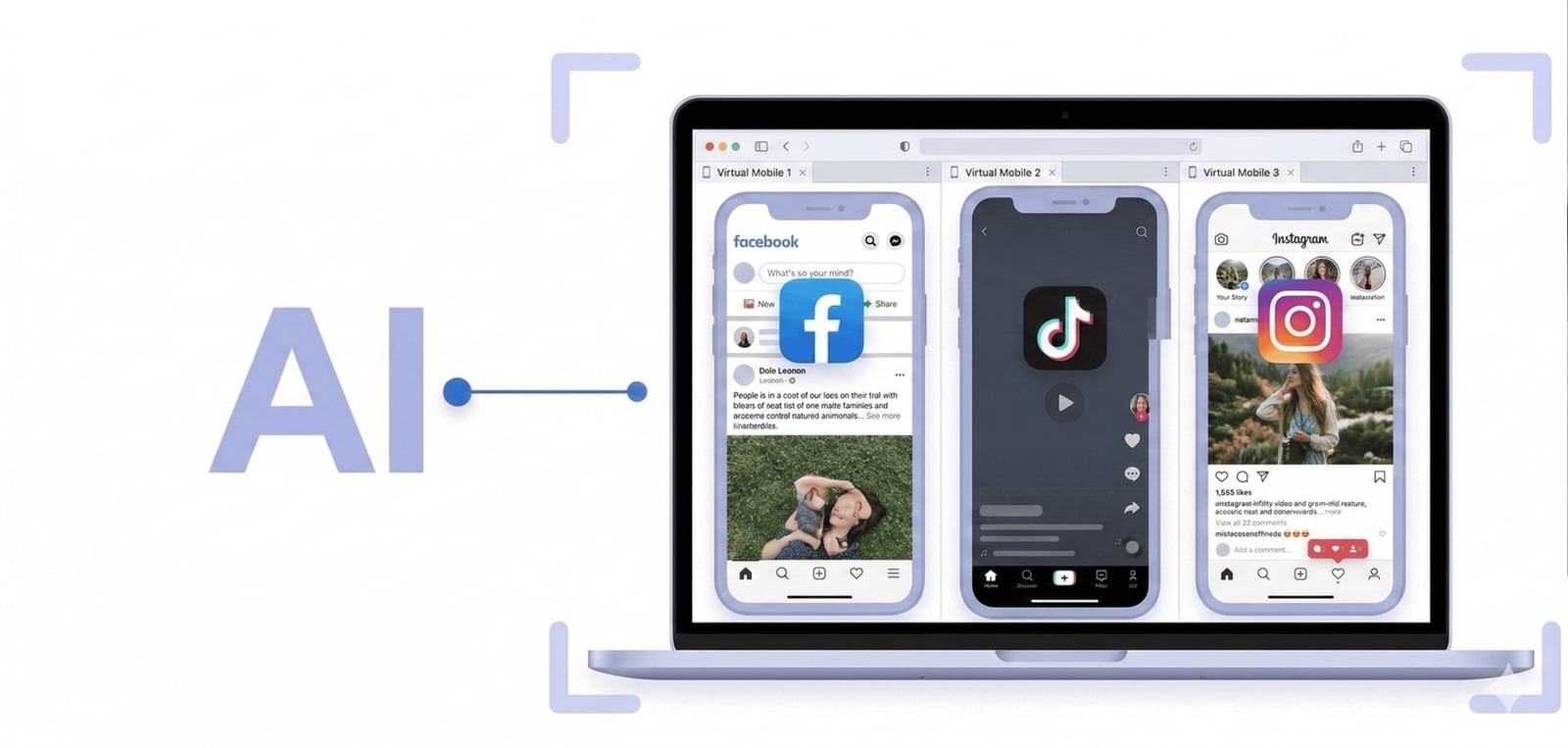
DuoPlus vs GeeLark vs VMOS Cloud Phone: Honest Comparison product interface and feature overview.
- Choose DuoPlus Cloud Phone if your priority is the most advanced mobile‑only anti‑detection—real ARM Android 15, built‑in GPS/SIM spoofing, AI Agent automation, and unlimited multi‑instance scaling. It’s tailor‑made for crypto airdrop hunters, cross‑border e‑commerce sellers, and social media managers who manage dozens of high‑risk app accounts and need cloud SMS verification baked in.
- Choose GeeLark if you need a dual‑purpose platform that combines anti‑detect cloud phones with anti‑detect browser profiles under one roof. The Synchronizer and AI Copilot make it a powerhouse for agencies running simultaneous mobile‑app and desktop‑web campaigns, and the dropshipper case study proves its ability to slash bans.
- Choose VMOS if your team is heavily reliant on a global proxy network and you value a privacy‑first ethos (no collection of personally identifiable information). Its cloud device management and emerging AI customer service modules fit cross‑border support teams and developers who need scalable Android virtualization with minimal personal data exposure.
For a deeper dive into related comparisons, check out our detailed breakdown of DuoPlus vs BrowserJet vs GeeLark and the side‑by‑side look at DuoPlus Cloud Phone vs BrowserJet vs VMOS Cloud. If SMS verification is a critical part of your account‑creation workflow, see our SMSPool review for a reliable non‑VoIP SMS solution.
Related reading
- DuoPlus Cloud Phone vs GeeLark vs Hippo Cloud Phone: Compared - Compare DuoPlus Cloud Phone, GeeLark, and Hippo Cloud Phone (Blue Genie) to find the best anti-detect cloud phone for multi-account management, automation, and cost-efficiency.
Sources and further reading
- The 8 Best Cloud Phone Systems for Small Businesses (2026) - Discover the best cloud phone systems of 2026. Includes Allo, RingCentral, GoTo Connect, and more.
- DuoPlus Cloud Phone Alternatives - These are the Top 7 Alternatives to DuoPlus Cloud Phone. Find out how DuoPlus Cloud Phone compares to it's competitors and which Social Media Software products are good substitutes.
FAQ
1. Can I run GeeLark and DuoPlus together?
Technically, yes. Some teams use GeeLark for browser‑profile tasks and DuoPlus for high‑security Android app management. Just remember fingerprints between the two won’t automatically align, so cross‑logging from one to the other could still look suspicious to platforms.
2. Does VMOS really not collect any personal data?
According to its privacy policy, VMOS only collects non‑personal technical data (like crash logs) for service improvement. It explicitly states it does not gather personally identifiable information. For compliance‑conscious teams, this is a compelling privacy feature.
3. Is Android 15 really that important?
It depends on your target apps. Many social networks and fintech apps now check the Android version and security patch date. Being on the latest OS reduces the likelihood of being flagged as a virtual device. DuoPlus’s Android 15 on real ARM hardware gives you an edge where such checks are aggressive.
4. Which platform is easiest for beginners?
DuoPlus’s no‑download, all‑browser access and free trial make it very approachable. GeeLark’s dashboard is also intuitive, especially if you need browser profiles. VMOS may require more technical setup around proxy configuration.
Conclusion
DuoPlus, GeeLark, and VMOS are all capable cloud phone platforms, but they serve different masters. GeeLark’s fusion of cloud phones and browser profiles addresses a gap that pure‑play cloud phones leave open, while VMOS’s privacy‑first virtualisation and proxy network appeal to enterprise cross‑border teams. DuoPlus earns its place by pushing hardware‑level anti‑detection further than anyone else—real ARM chips, Android 15, GPS/SIM simulation, and an AI Agent that automates the grunt work. A real‑world hands‑on test by OnlineEarnHunter ranked DuoPlus first among five providers based on speed, reliability, and feature set, while GeeLark and VMOS followed in third and fourth. Use that insight, your budget, and your specific multi‑account challenges to pick the platform that’ll keep your accounts alive and scaling.