
DuoPlus vs VMOS Cloud: Best for Long-Term Multi-Account?
A practical comparison of DuoPlus Cloud Phone and VMOS Cloud for long-term social media, e-commerce, and crypto multi-account teams. See which fits your workflow.
DuoPlus Cloud Phone vs VMOS Cloud: Which Cloud Phone Platform Supports Long-Term Multi-Account Teams?
Running dozens of TikTok, Facebook, Instagram, or WhatsApp accounts safely at scale requires more than just a cheap virtual device. It demands isolated Android environments, reliable SMS verification, intelligent automation, and proxy flexibility that won’t trigger bans. Both DuoPlus Cloud Phone and VMOS Cloud promise anti‑detection cloud phones for multi‑account management, but they are built with fundamentally different operation styles in mind.
This article compares DuoPlus and VMOS Cloud across the dimensions that matter most to social media marketers, e‑commerce sellers, affiliate managers, and crypto airdrop hunters—architecture, automation, proxy handling, cloud numbers, team workflows, and long‑term cost. By the end, you’ll know which platform aligns with a sustainable multi‑account matrix.
Architecture and Device Fingerprint Integrity
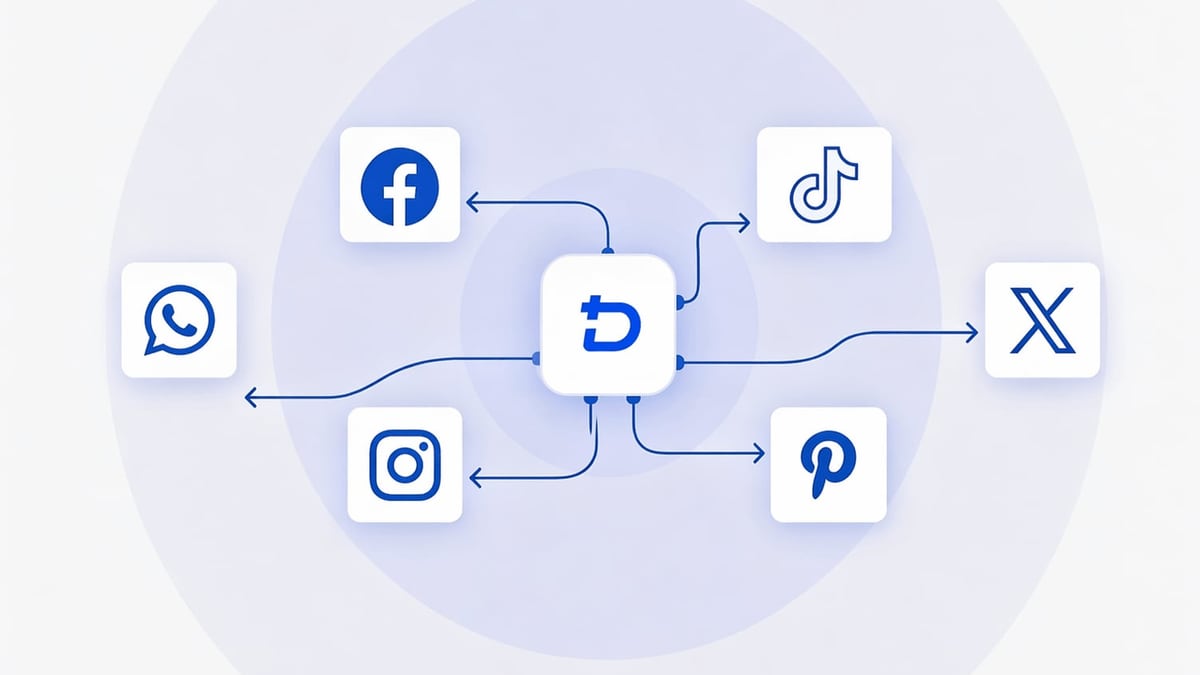
DuoPlus vs VMOS Cloud: Best for Long-Term Multi-Account? product interface and feature overview.
DuoPlus Cloud Phone was purpose‑built for long‑term account matrices. Every cloud phone runs on a real ARM chip and ships with Android 15, giving you a genuine smartphone environment that passes modern app integrity checks. The platform generates independent device parameters—IMEI, model, OS version, screen resolution—so each instance appears as a completely distinct physical phone. Global GPS simulation and SIM card simulation add another layer of authenticity, which is critical for platforms that sniff for emulators or emulated sensors.
VMOS Cloud also offers real ARM‑based cloud phones and supports Android 10 through 16. Its anti‑detection technology includes Google CTS certification and advertises advanced undetectability. However, the product’s heritage leans toward general cloud phone access and flexible on‑demand usage rather than a dedicated anti‑detect system for social media matrices. According to DuoPlus’s feature comparison, VMOS Cloud’s browser experience is more of a supplementary layer—full operations still depend on the desktop client—which can slow down remote teams and cross‑device workflows (DuoPlus vs VMOS Cloud comparison). DuoPlus, on the other hand, is entirely browser‑native; teams can spin up and manage cloud phones from any PC or mobile browser without installing anything, making it a more flexible choice for distributed operators.
Automation and AI Agent Capabilities
DuoPlus vs VMOS Cloud: Best for Long-Term Multi-Account? product interface and feature overview.
The ability to warm up accounts, auto‑scroll, like, comment, and publish at scale separates a real multi‑account tool from a simple cloud phone rental. DuoPlus combines AI Agent with RPA to execute no‑code automation across multiple apps. You can issue natural language commands like “warm up these five TikTok profiles for three days, then start uploading videos”—and the AI orchestrates the cross‑app flows. Pre‑built RPA templates target TikTok, YouTube, Reddit, and more right out of the box, covering repetitive tasks without manual scripting.
VMOS Cloud promotes an AI‑driven task automation that can scroll, like, and comment on social media. Its VMOS AI agent is advertised as more advanced than template‑based RPA, but publicly available testing referenced in VMOS Cloud’s own comparison page suggests that DuoPlus’s AI agent remains largely RPA‑template‑based and that DuoPlus’s AI points must be purchased separately (VMOS Cloud vs DuoPlus). While both sides make claims, the reality for long‑term teams is that DuoPlus’s integrated AI Agent already orchestrates complex, multi‑step sequences—from registration to publishing—without requiring separate plugins or MCP connections. For operators who need stable, repeatable social media workflows, DuoPlus’s ready‑to‑use templates and natural language control deliver a more production‑ready automation suite.
Proxy Architecture and IP Control
DuoPlus vs VMOS Cloud: Best for Long-Term Multi-Account? product interface and feature overview.
IP reputation is make‑or‑break for anti‑detection. DuoPlus follows an open third‑party proxy ecosystem: you bring your own residential or mobile proxies from providers you trust, or you can buy from pre‑vetted partners. This architecture gives teams full control over IP quality and avoids the shared‑pool risks that come with built‑in proxies. When you’re managing hundreds of social media accounts over months, the ability to refresh IPs, rotate nodes, and isolate each profile’s geolocation becomes essential for account longevity.
VMOS Cloud includes built‑in proxy nodes covering 15+ countries for free, which can be convenient for short‑term tasks or testing. However, built‑in proxies often mean that many users share the same IP ranges, raising the likelihood of flags and association. For long‑term account safety, commercial proxy best practices almost always recommend dedicated or high‑anonymity residential IPs. DuoPlus’s approach aligns with those best practices, while VMOS Cloud’s free built‑in proxies are better suited to light, temporary work (Top 10 IP Geolocation & Proxy Detection Data Providers (2026) explains how proxy detection affects account security).
Cloud Numbers and SMS Verification
Registration and 2‑factor authentication are stumbling blocks for many multi‑account operators. DuoPlus integrates a complete cloud number service within the same platform. You can rent virtual VOIP numbers or physical mobile numbers, link them to specific cloud phones, receive SMS verification codes repeatedly during the rental period, and manage all SMS activity from a centralized dashboard. That means a TikTok account can be registered, verified, and later have its 2FA code delivered on the same number—without juggling separate SIM providers or temporary services.
VMOS Cloud can supply temporary numbers for one‑time SMS reception, but they are not designed for repeat use or long‑term binding. If a platform requires a verification code six months later, you may not be able to recover the original number. For account matrices that require consistent verification across registrations, password resets, and reactivations, DuoPlus’s cloud number workflow removes a major pain point and dramatically reduces the risk of accounts being locked out.
Team Collaboration and Scalability
Both platforms support role‑based permissions, operation logs, and batch control. DuoPlus, however, extends team functionality with one‑click cloud phone sharing, window sync, batch file push, and a web‑first interface that allows team members to operate from anywhere without syncing clients. The combination of cloud phones, cloud numbers, automation, and permissions in one place lets you scale an account farm from 5 instances to 500 without leaving the browser. This is especially valuable for agencies and cross‑border teams that need to assign specific devices to different members, audit actions, and maintain consistent workflows.
VMOS Cloud also provides a team workspace with member seats, device assignment, and RBAC. Its SyncMaster feature enables simultaneous control of multiple devices, which works well for campaign launches. However, because VMOS Cloud’s heaviest features still lean on the desktop client, larger teams may experience friction when onboarding remote contributors who only have a browser or mobile device.
Cost Structure and Long‑Term Value
Pricing can be deceptive when you only compare headline monthly fees. VMOS Cloud markets starting prices as low as $4.99 per device/month, which appears significantly cheaper than DuoPlus’s $21.90 entry. Yet this gap narrows when you factor in the total cost of ownership for a production multi‑account stack. DuoPlus follows a device fee plus pay‑as‑you‑go startup model: you pay a small holding fee when a cloud phone is idle and a predictable monthly startup fee when it’s online. For teams that keep accounts running daily, the monthly startup option makes budgeting straightforward.
VMOS Cloud’s subscription covers the device, but cloud numbers, advanced automation, and AIGC add‑ons are either not included or require separate payments. Moreover, if you need to supplement VMOS with your own residential proxies because the built‑in IPs are not reliable for long‑term accounts, you will add another cost layer. When you calculate the full expenses for device, verification, proxy, and automation over 12+ months, DuoPlus’s integrated workflow often proves more cost‑effective and operationally simpler.
Which One Should You Choose?
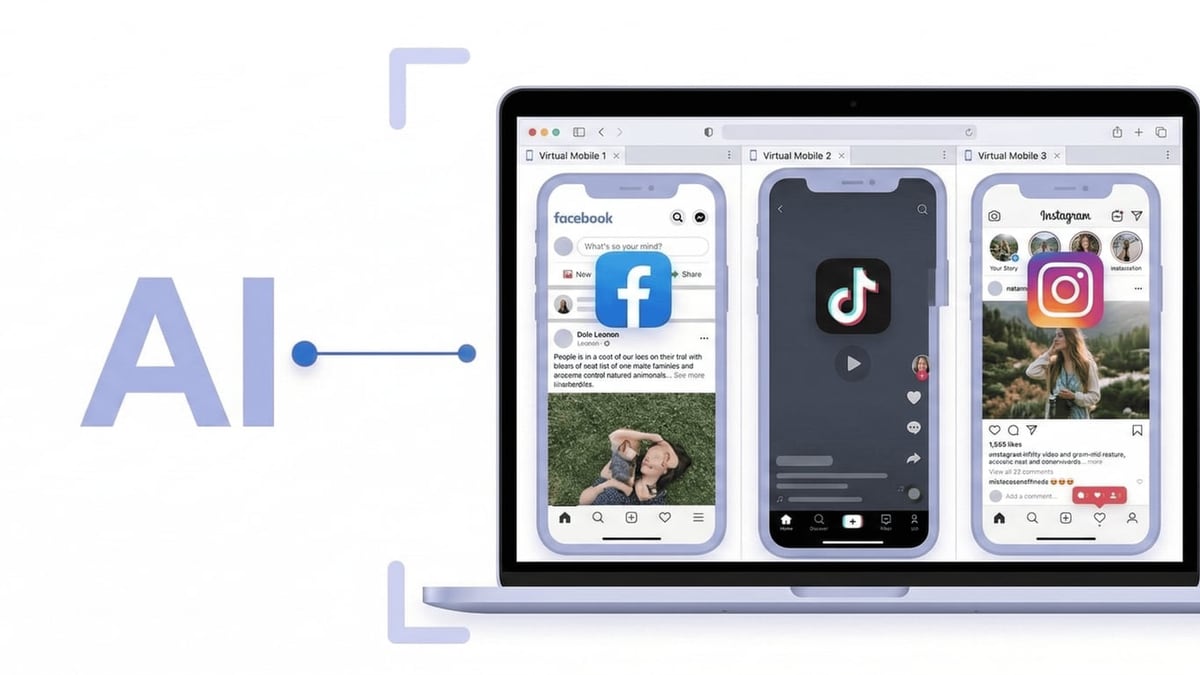
DuoPlus vs VMOS Cloud: Best for Long-Term Multi-Account? product interface and feature overview.
Your choice depends entirely on your operational horizon:
- Short‑term testing, one‑off campaigns, or quick app demos: VMOS Cloud’s low entry price, built‑in proxies, and pay‑per‑minute billing can get you started quickly with minimal commitment. If you only need a few cloud phones for a week of airdrop farming or a social media test, it’s a capable option.
- Long‑term multi‑account management on TikTok, Instagram, Facebook, WhatsApp, and similar platforms: DuoPlus Cloud Phone is architected for account matrices that need to survive months or years. Real Android 15 with ARM chips, cloud numbers that stick with the account, AI‑driven account warming and publishing, and an open proxy ecosystem give you the isolation and control that social media platforms demand. The browser‑first design and team collaboration tools then let you scale without adding operational complexity.
For content creators who want to produce videos across multiple accounts safely, you can pair DuoPlus with CapCut to edit and post without triggering bans (How to Use DuoPlus Cloud Phone with CapCut: Multi‑Account Guide). If you’re also evaluating other anti‑detect options, the broader comparison DuoPlus Cloud Phone vs VMOS vs Antidetect Cloud covers how cloud phones stack up against anti‑detect browsers.
Related reading
- DuoPlus vs Moimobi vs Antidetect Cloud: Which Is Best? - Compare DuoPlus Cloud Phone, Moimobi, and Antidetect Cloud for multi-account management. See which anti-detect solution suits mobile apps, automation, and browser privacy.
- DuoPlus Cloud Phone vs AdsPower: Cloud Phone or Anti-Detect Browser? - Compare DuoPlus Cloud Phone and AdsPower anti-detect browser for multi-account management. Learn when real Android cloud phones beat browser profiles for app-heavy tasks.
Sources and further reading
- DuoPlus Cloud Phone Alternatives - These are the Top 7 Alternatives to DuoPlus Cloud Phone. Find out how DuoPlus Cloud Phone compares to it's competitors and which Social Media Software products are good substitutes.
Frequently Asked Questions
Is VMOS Cloud really cheaper than DuoPlus?
Sticker price: yes, VMOS Cloud’s per‑device subscriptions start lower. But when you add the cost of reliable long‑term SMS numbers, high‑quality residential proxies, and mature automation, DuoPlus’s all‑in‑one model frequently becomes more economical—especially for teams running accounts 24/7 over several months.
Which platform is better for TikTok multi‑account operations?
DuoPlus provides pre‑built RPA templates for TikTok warming, interaction, and publishing, combined with cloud numbers that can receive TikTok’s verification codes repeatedly. The Android 15 environment with real ARM chips minimizes the chance of TikTok flagging the device as emulated. VMOS Cloud supports TikTok as well, but its reliance on temporary SMS numbers and built‑in proxies makes long‑term account survival more uncertain.
Does DuoPlus support Google Play Integrity?
DuoPlus’s real ARM‑based cloud phones with Android 15 are designed to pass device integrity checks that modern apps rely on. While the platform does not publicly disclose every certification, its anti‑detection architecture aims to maintain a genuine device profile, which is the foundation for Google Play Integrity and similar protections.
Can I automate Instagram posting with VMOS Cloud?
VMOS Cloud does offer AI‑driven automation for scrolling, liking, and commenting, but complex multi‑step publishing workflows may require additional configuration. DuoPlus’s AI Agent lets you schedule and execute posting sequences across multiple Instagram accounts with a single natural language command, making it more suited for teams that need hands‑off publishing.
Conclusion
Both DuoPlus and VMOS Cloud can run Android apps in the cloud, but they serve different masters. VMOS Cloud plays well for flexible, short‑term cloud phone tasks where you need a device quickly and cheaply. DuoPlus Cloud Phone, however, was built from day one to be the operating system for long‑term multi‑account teams. Its combination of genuine ARM environments, integrated cloud numbers, AI‑powered automation, open proxy control, and browser‑based team collaboration turns it into a complete account life‑cycle platform—not just a cloud phone rental. If your goal is to grow a stable, high‑value social media, e‑commerce, or crypto account portfolio that stays healthy month after month, DuoPlus is the better investment.
For a full breakdown of how DuoPlus compares with other anti‑detect tools, check out the independent DuoPlus Cloud Phone vs VMOS vs Antidetect Cloud: In‑Depth Comparison.