
DuoPlus Cloud Phone vs VMOS vs Blue Elf: Which Is Better for Multi-Account Operations?
In-depth comparison of DuoPlus, VMOS, and Blue Elf cloud phones on anti-detection, automation, group control, and hardware to help cross-border e-commerce and social media operators make informed choices.
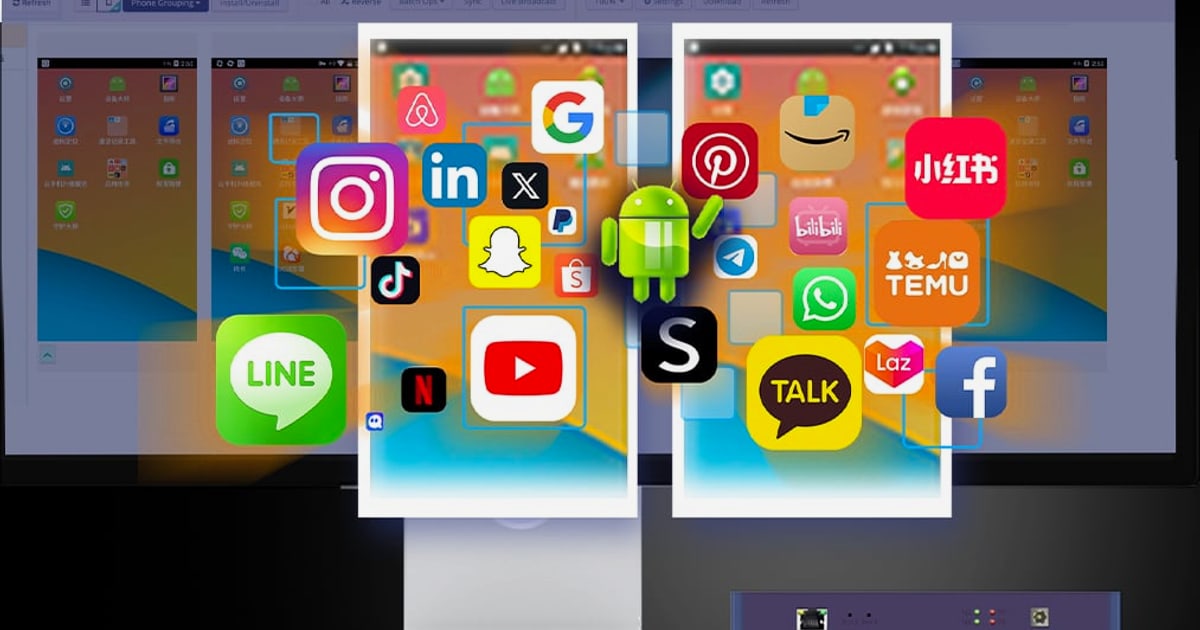
DuoPlus Cloud Phone vs VMOS vs Blue Elf: Which Is Better for Your Multi-Account Operations?
In the arena of cross-border business, social media marketing, and bulk account management, cloud phones have become indispensable tools. Among the many options on the market, DuoPlus Cloud Phone, VMOS, and Blue Elf Cloud Phone are often mentioned together, but their underlying architectures, use cases, and core strengths are vastly different. This article objectively compares these three products across dimensions such as real-device simulation, automation capabilities, group control features, hardware solutions, and privacy protection, helping you find the best fit for your workflow.
Core Differences at a Glance
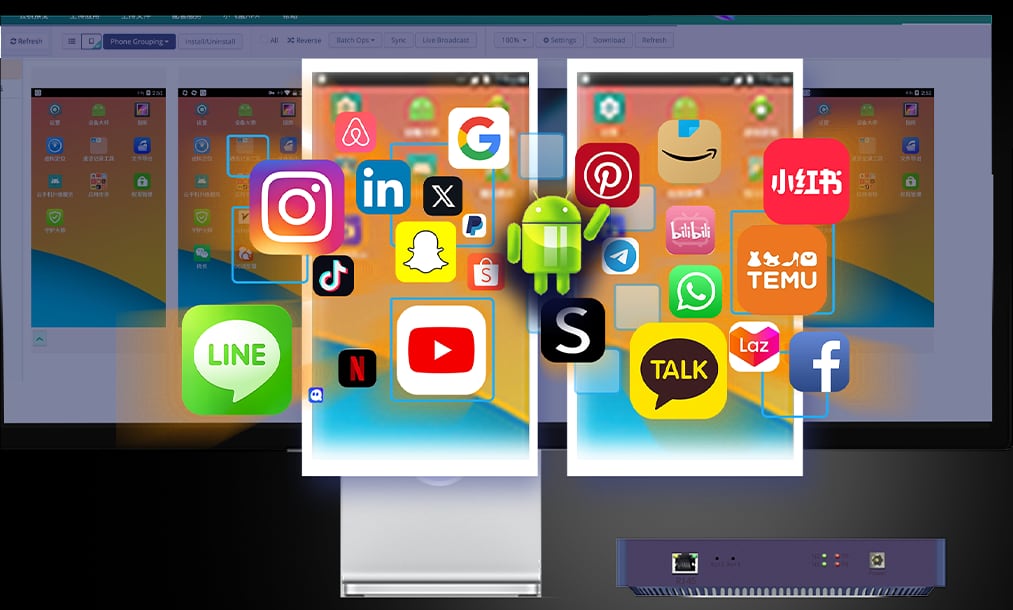
Cloud Platform Access.
| Comparison Dimension | DuoPlus Cloud Phone | VMOS Cloud | Blue Elf Cloud Phone |
|---|---|---|---|
| Android Version | World's first Android 15 real device | Mainstream Android versions, supports multiple images | Dual independent Android 13 systems |
| Chip Architecture | Real ARM chip, not an emulator | Cloud real devices, passes SafetyNet | Real device chip cluster |
| Access Method | Pure browser, no client download | Client + web, supports synchronizer | Plug-and-play hardware device + web control |
| Fingerprint Isolation | Independent device fingerprint, one-click skin change | Independent parameters, image market customization | Physical isolation, real device fingerprint |
| AI Automation | AI Agent no-code workflow | AI-driven automated actions (comments, likes, etc.) | No AI automation support |
| Global IP/Location | GPS and SIM simulation in 150+ countries | Integrated global proxy network | Virtual location, scenario simulation |
| Group Control Sync | Batch management, team sharing | Synchronizer one-click control of all devices | Thousands of real devices group control, real-time screen |
| Certification & Security | Focus on anti-association, independent environment | Google Play Integrity / SafetyNet / Widevine L1 | Physical device-level security |
| Live Streaming/Cloud Gaming | Not specifically optimized | Not highlighted for live streaming | Multi-channel real-time live streaming, supports cloud gaming |
| Trial Policy | Free 30-minute trial | Subscription-based, starting at $4.99/month | Requires hardware purchase |
Note: The table lists only the well-documented advantages of each party; dimensions not mentioned may have shortcomings. It is recommended to test thoroughly based on actual needs.
Anti-Detection and Simulation Authenticity
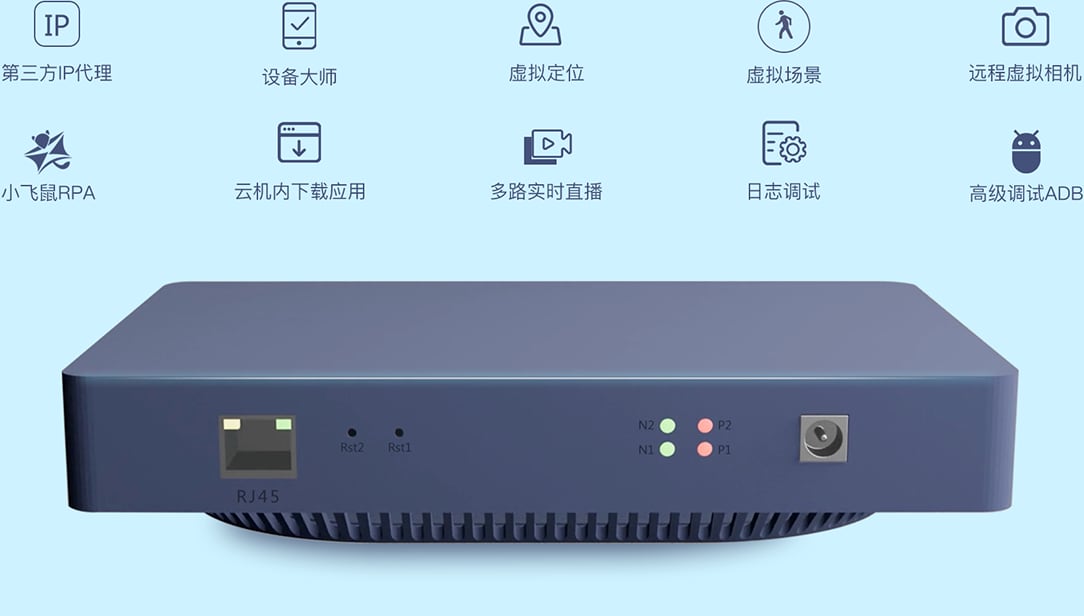
Supporting Services.
For multi-account operators, preventing platform-associated bans is a core pain point. DuoPlus Cloud Phone has a clear positioning in this field: it is the world's first cloud phone platform with a real ARM chip running stock Android 15. This means each cloud phone instance has a real underlying device fingerprint, including models from Samsung, OnePlus, vivo, Xiaomi, etc., and can perfectly pass the risk control detection of most social and e-commerce platforms. Combined with GPS positioning and SIM card library covering 150+ countries, carriers such as Verizon and T-Mobile can be simulated, making each account look like it is using a real phone locally.
VMOS Cloud also emphasizes anti-detection capabilities, using real Android devices deployed in the cloud, and is the first to pass Google Play Integrity, SafetyNet, and Widevine L1 security certifications. These certifications are originally used to prove that the device is not unlocked and the system is clean, which is particularly important for apps that rely on Google services (such as YouTube and financial apps). If your accounts depend on this system-level trust, VMOS is a reliable choice. In addition, its "Image Market" feature allows you to freely change system images to cope with different apps' risk control environments.
Blue Elf Cloud Phone takes a different route—it is itself a physical hardware device with two independent Android 13 systems built in, and its group control cluster consists of a large number of real device boards. Because it uses physical chips, device fingerprints are naturally unique and difficult to classify as emulators. For users who need pure physical isolation (such as live streaming or game AFK), this solution has irreplaceable advantages. However, note that its Android version is older, and some latest apps may have compatibility issues.
Multi-Account Management and Group Control Efficiency
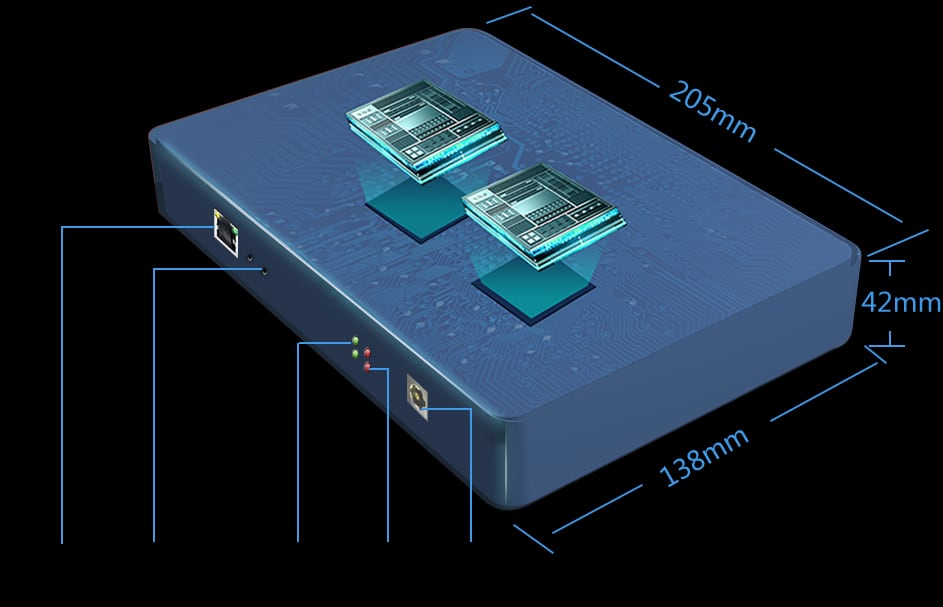
BlueGenie Device.
All three products support batch management of cloud phones, but the implementation logic and control experience differ greatly.
DuoPlus Cloud Phone is characterized by extreme lightness: you can log in from the browser of any computer or phone and instantly pull up dozens or even hundreds of independent Android 15 cloud phones without installing any client. Its "One-Click Skin Change" feature can quickly assign a new set of device fingerprints and IP environments to a batch of accounts, especially suitable for affiliate marketing or social media matrix operations that need to switch identities quickly. Team sharing permissions are also simple and intuitive.
VMOS Cloud provides a feature called "Synchronizer," which allows you to operate on one master device and sync to all other cloud phones in real time. This design is highly efficient for social media automation scenarios that require batch execution of the same operations (such as batch watching videos, liking, commenting). At the same time, its "Team Hub" allows fine-grained role permission division to protect operational data.
Blue Elf Cloud Phone's group control capability is more industrial-grade. Through the web console, you can view the screens of thousands of physical cloud phones in real time, and batch install apps, upload files, sync operations, and virtual location. Its hardware solution also supports advanced debugging interface (ADB), suitable for teams with development capabilities for deep customization or RPA process development. For studios that need 7×24-hour uninterrupted AFK live streaming or gaming, its physical device stability is unmatched by software solutions.
AI Automation and No-Code Operations
Automation is the new high ground in cloud phone competition in 2025.
VMOS Cloud is the first to natively embed AI into workflows: users only need to describe their intent in natural language, such as "browse pet videos on TikTok and like them," and the AI will automatically generate a set of operation sequences that simulate human behavior, including scrolling, liking, favoriting, and commenting. This system greatly lowers the barrier to setting up automation scripts, especially for social media operators without programming skills.
DuoPlus Cloud Phone is not to be outdone, launching an AI Agent feature that also supports no-code automation. It excels at orchestrating complex multi-account operation processes into "behavior chains," such as: open WhatsApp → send a specific message → switch to the next account. Combined with independent fingerprint environments, it can achieve highly human-like batch communication and content publishing. For marketing and customer service scenarios, AI Agent can significantly save manpower.
Blue Elf Cloud Phone currently does not have built-in AI automation capabilities, but it provides rich underlying interfaces (ADB, group control API), allowing advanced users to implement automation using self-developed scripts or third-party RPA tools. If you have a technical team and want full control over automation logic, Blue Elf's open hardware may be more suitable.
Global IP and Location Simulation
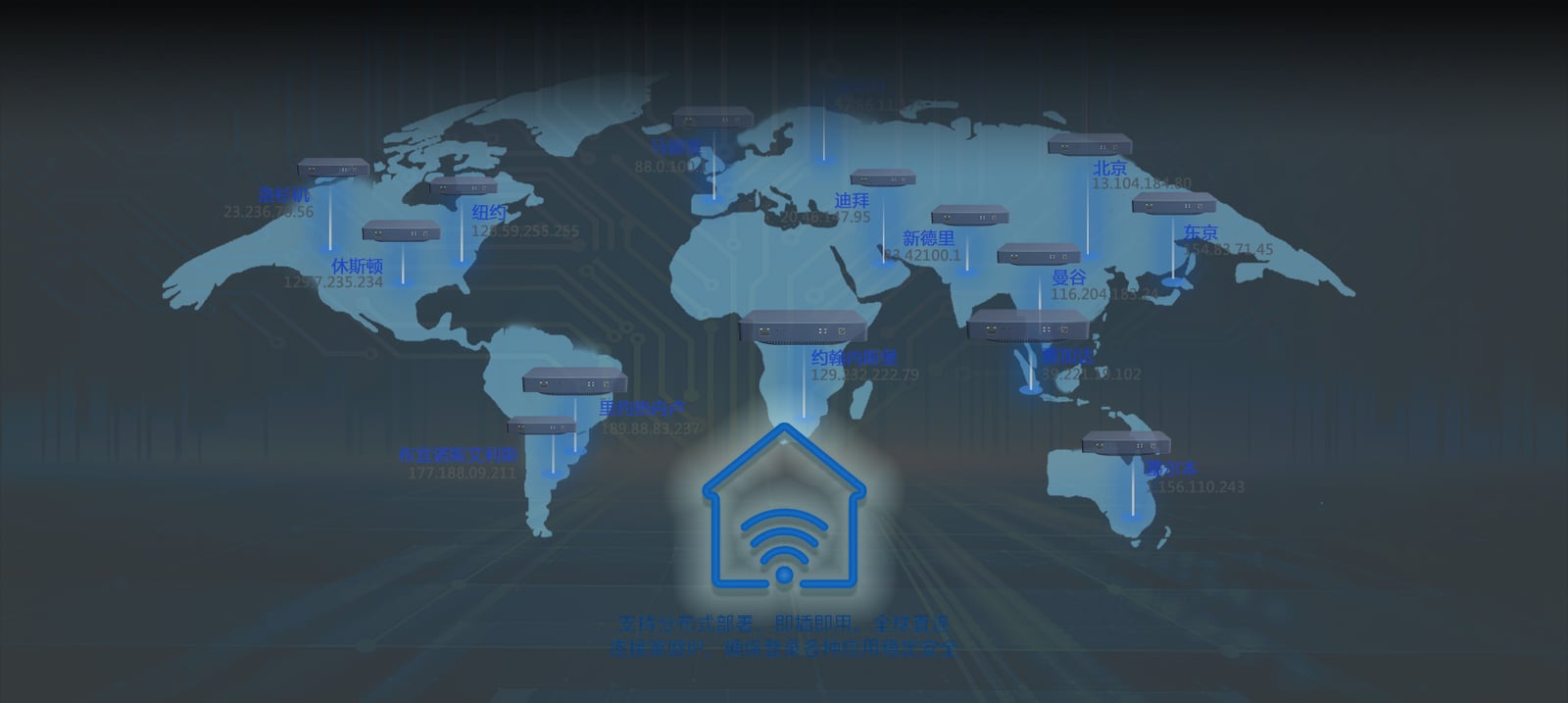
Global Distributed Deployment.
DuoPlus Cloud Phone has built-in GPS and SIM card simulation data covering 150+ countries, and with a dedicated proxy, it can achieve high-precision geolocation. Its feature is that "One-Click Skin Change" not only changes the device fingerprint but also switches the IP location and carrier information simultaneously, and the whole process takes only seconds.
VMOS Cloud integrates a global proxy network, eliminating the need to purchase third-party proxies (though custom proxies are also supported), reducing the complexity of network configuration. For users who need to frequently switch regions to access e-commerce sites or social media ads, this integrated solution is more convenient.
Blue Elf Cloud Phone provides basic virtual location and scenario simulation functions, but the diversity of location and IP depends on the user's own proxy or VPN. Its overseas data centers ensure the regional attributes of outbound IPs, but it cannot achieve carrier-level simulation as finely as DuoPlus.
Hardware Solutions and Long-Term Costs
Blue Elf Cloud Phone is the only hardware sales model. After purchase, you own a physical device cluster with no recurring subscription fees, suitable for cost-sensitive users who need long-term AFK operation. However, the initial investment is higher, and device maintenance and Android major version upgrades need to be handled by yourself.
DuoPlus and VMOS are both cloud subscription models. DuoPlus offers pay-as-you-go (minimum $0.15 per half hour) and monthly plans, which is more friendly to users with irregular usage times. VMOS pricing starts at $4.99 per month, suitable for teams with continuous operations. Both do not need to consider hardware depreciation and can expand or reduce the number of devices at any time, offering greater flexibility.
Recommended Use Cases
Social media matrix, affiliate marketing, crypto airdrops: First choice is DuoPlus Cloud Phone. Its Android 15 real device fingerprint and fast skin-changing environment effectively avoid account association, and the browser-based no-client design makes remote team collaboration seamless.
App operations that need to pass SafetyNet certification, automated like/comment account nurturing: VMOS Cloud is more suitable. Its security certifications and AI automation workflow can cultivate account trustworthiness unattended.
Game hosting, multi-channel live streaming, industrial-grade group control, and deep customization development: Blue Elf Cloud Phone's physical hardware and massive group control capabilities are its core competitiveness, especially suitable for studios that need 7×24-hour uninterrupted operation and ADB debugging.
If you are still hesitating, you might want to try DuoPlus's free 30-minute trial (visit DuoPlus official website), or register for VMOS's basic plan to experience the automation process (see VMOSCloud official website). For Blue Elf devices, you need to contact the official to get hardware solutions.
Frequently Asked Questions (FAQ)
Q1: What is the difference between a cloud phone and an Android emulator?
A: A cloud phone is a real physical device or virtualized instance running in a remote data center, with independent hardware identifiers such as IMEI and serial number; an emulator is a software-virtualized environment on a computer, which is easily detected as a simulated environment by apps. VMOS and DuoPlus both use cloud real or ARM architecture, which is essentially closer to a real phone; Blue Elf is a physical board with no trace of simulation.
Q2: Which one is cheaper?
A: It depends on usage frequency and scale. For occasional short-term use, DuoPlus's pay-as-you-go is the most cost-effective; for continuous light use, VMOS is an option; for long-term heavy AFK, Blue Elf's hardware cost may be more economical after amortization.
Q3: Do I need to purchase an additional proxy?
A: DuoPlus and Blue Elf recommend using high-quality residential proxies for the best IP purity; VMOS has a built-in proxy network, but heavy users can still connect their own proxies.
Q4: Are these three platforms prone to account bans?
A: None of the three products will actively cause bans; the key is whether you configure an independent environment and clean IP for each account. By complying with platform operating rules and using reasonable operation behaviors, all three can effectively reduce association risks.
Conclusion
DuoPlus Cloud Phone, VMOS, and Blue Elf Cloud Phone represent three technical routes: "pure cloud anti-detection," "cloud security automation," and "physical hardware group control." There is no absolute good or bad, only the choice that best fits your business scenario. For cross-border marketers who pursue the latest Android version, minimal deployment, and high-fidelity fingerprints, DuoPlus Cloud Phone's overall experience is undoubtedly at the forefront. If you value AI automation and system-level security certifications more, VMOS is a strong alternative. And once you have hard requirements for hardware autonomy and real-time screen group control, Blue Elf's physical cluster will be hard to give up.
At DuoPlus Cloud Phone, we will continue to update such in-depth tool comparisons to help operations teams avoid selection pitfalls. It is recommended to bookmark this article and revisit it regularly, because in the rapidly iterating cloud phone track, today's conclusions may soon be rewritten by new technologies.
The product information cited in this article is as of May 2025; specific features and prices are subject to the latest announcements on each official website.
Sources and further reading
- How to Use DuoPlus Cloud Phone: Best Anti-Detect Solution for Multi-Account Management - Enjoy the videos and music you love, upload original content, and share it all with friends, family, and the world on YouTube.