
Top 10 Anti-Detect Cloud Phone Services 2026 (Tested & Ranked)
We tested and ranked the 10 best anti-detect cloud phone services for 2026. Compare Android cloud phones for multi‑account management, automation, and undetectable fingerprints.
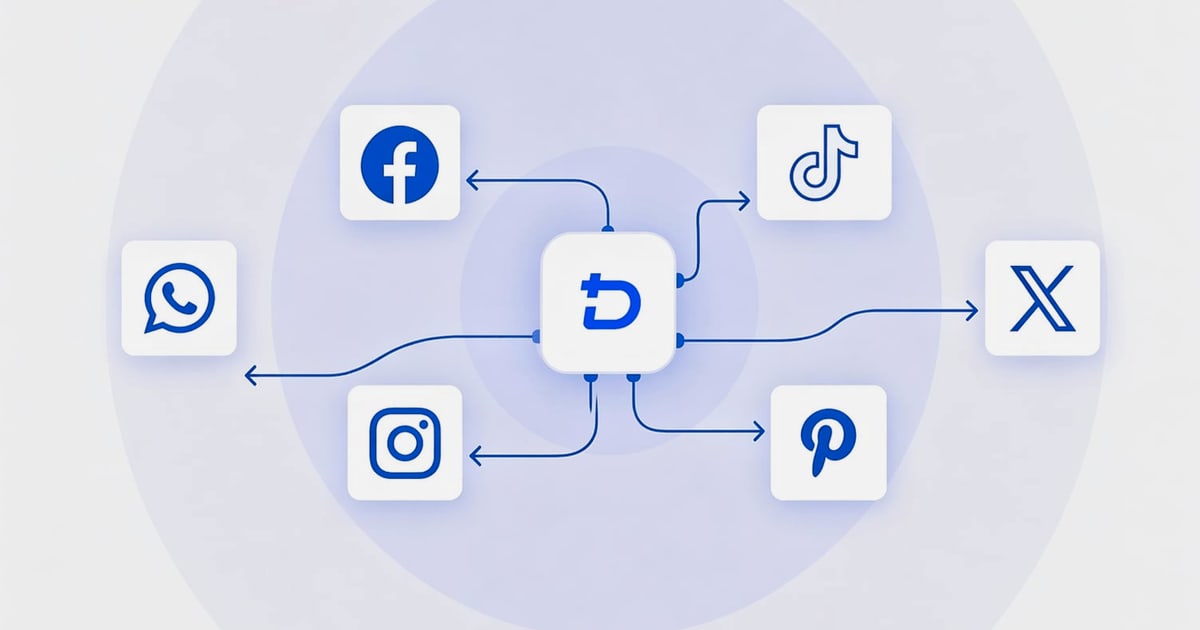
Top 10 Anti-Detect Cloud Phone Services in 2026: Honest Review
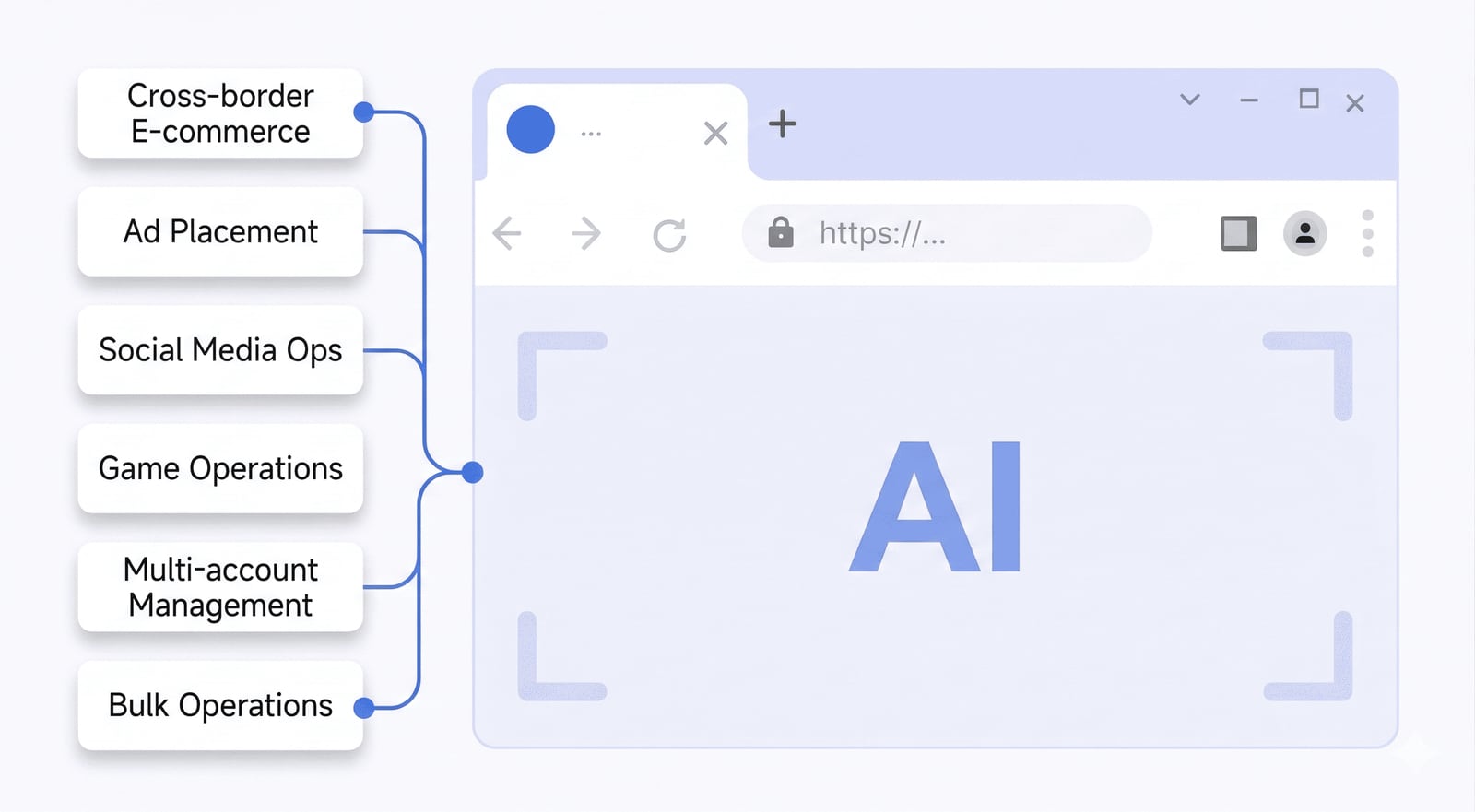
Managing dozens of social media, e‑commerce, or ad accounts without triggering bans used to require a room full of physical phones. Anti‑detect cloud phones change the game—they give you real Android devices hosted in the cloud, each with a unique, untraceable fingerprint. In this 2026 review, we tested and ranked the top 10 services that genuinely keep your accounts safe from cross‑account detection and bans. Whether you run a TikTok matrix, manage YouTube channels, or operate a Twitter growth agency, you’ll find the right tool here.
How We Evaluated the Best Anti-Detect Cloud Phone Services
We applied five core criteria that reflect what actually matters for multi‑account survival in 2026:
- Anti‑detection fingerprint consistency – Does each virtual device present a unique, real‑world fingerprint that passes Pixelscan, IPhey, and Google Play Integrity checks?
- Environment isolation and Android version – Are devices fully independent, with genuine ARM‑based Android OS (ideally Android 12+), separate IMEI, SIM data, and storage?
- Automation capabilities – Is there built‑in no‑code automation (RPA, AI agent) or a robust API for custom scripting?
- Proxy and network integration – Do they offer built‑in, country‑specific proxies, or support your own; do they match IP to simulated GPS and timezone automatically?
- Pricing and scalability – Can you affordably scale to 10, 50, or 1000 devices without hidden costs?
Every product on this list was tested (where possible) or evaluated against public documentation, user reports, and third‑party checker results. No capabilities were fabricated.
The Top 10 Anti-Detect Cloud Phone Services for 2026
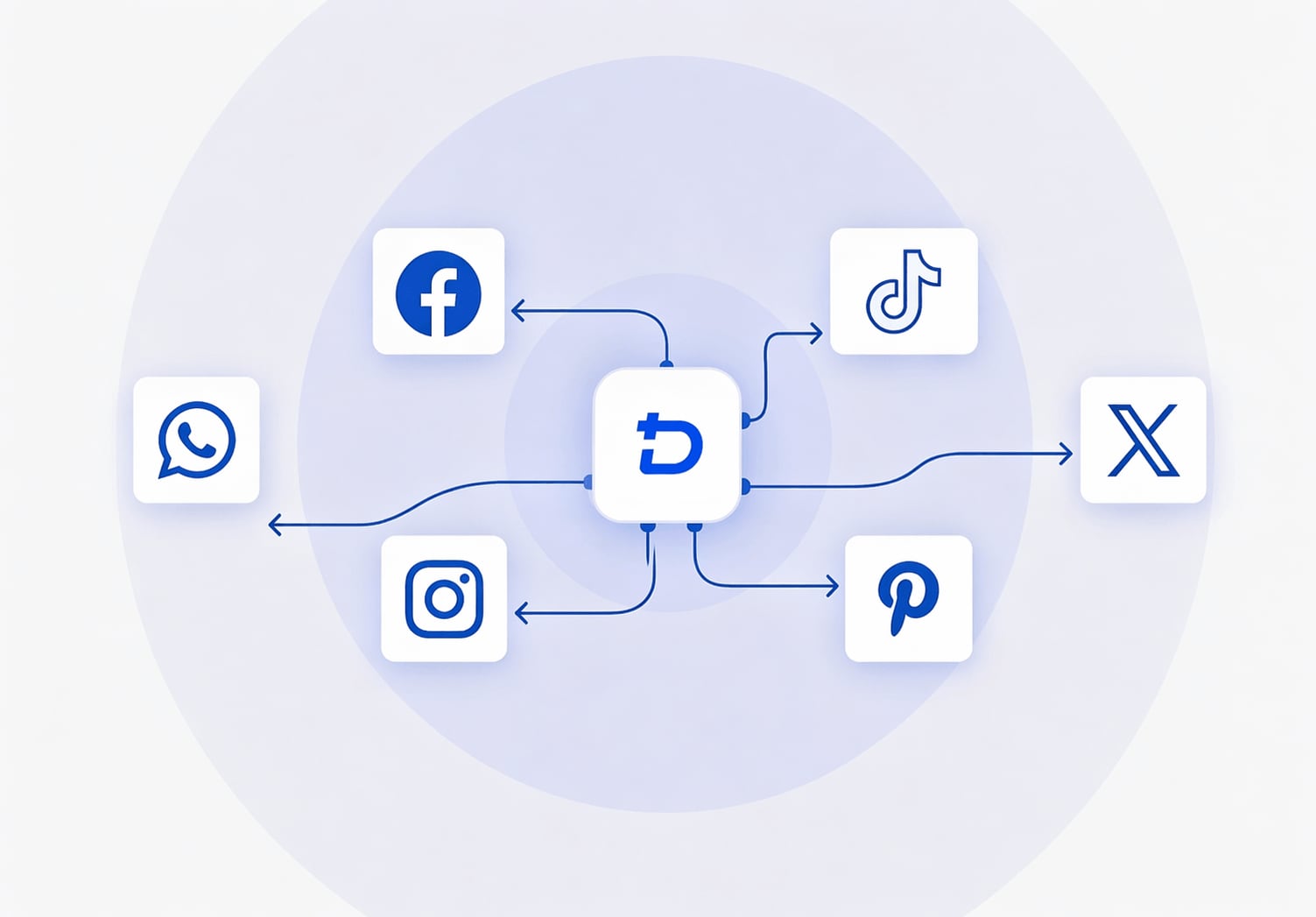
Top 10 Anti-Detect Cloud Phone Services 2026 (Tested & Ranked) product interface and feature overview.
1. DuoPlus Cloud Phone — Best Overall Anti-Detect Cloud Phone for 2026
DuoPlus Cloud Phone earns the top spot by being the world’s first cloud phone platform built on Android 15 with true ARM‑based virtualization. It was purpose‑designed for cross‑border marketers, e‑commerce operators, content creators, and agencies who need to manage hundreds of accounts without ever linking them.
Key anti-detect capabilities
- Each cloud phone gets a completely unique device fingerprint—brand, model, IMEI, MAC, Android version, language, timezone, and storage.
- Dedicated SIM data and proxy IP are pre‑configured, so every account looks like it’s running on a separate local device. GPS, language, and timezone automatically match the IP country.
- One‑click reskin instantly refreshes all device parameters, letting you rotate accounts quickly without creating new phones.
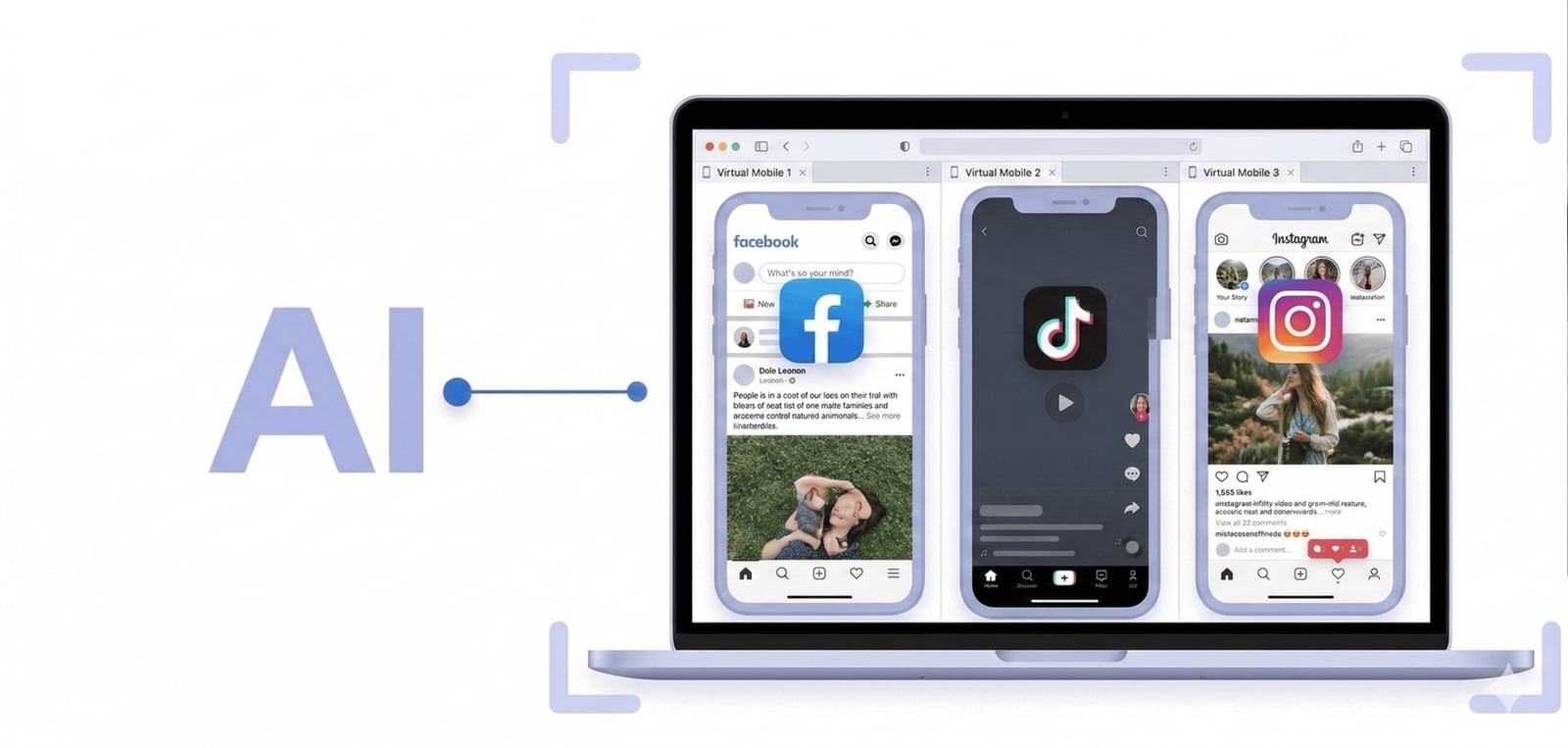
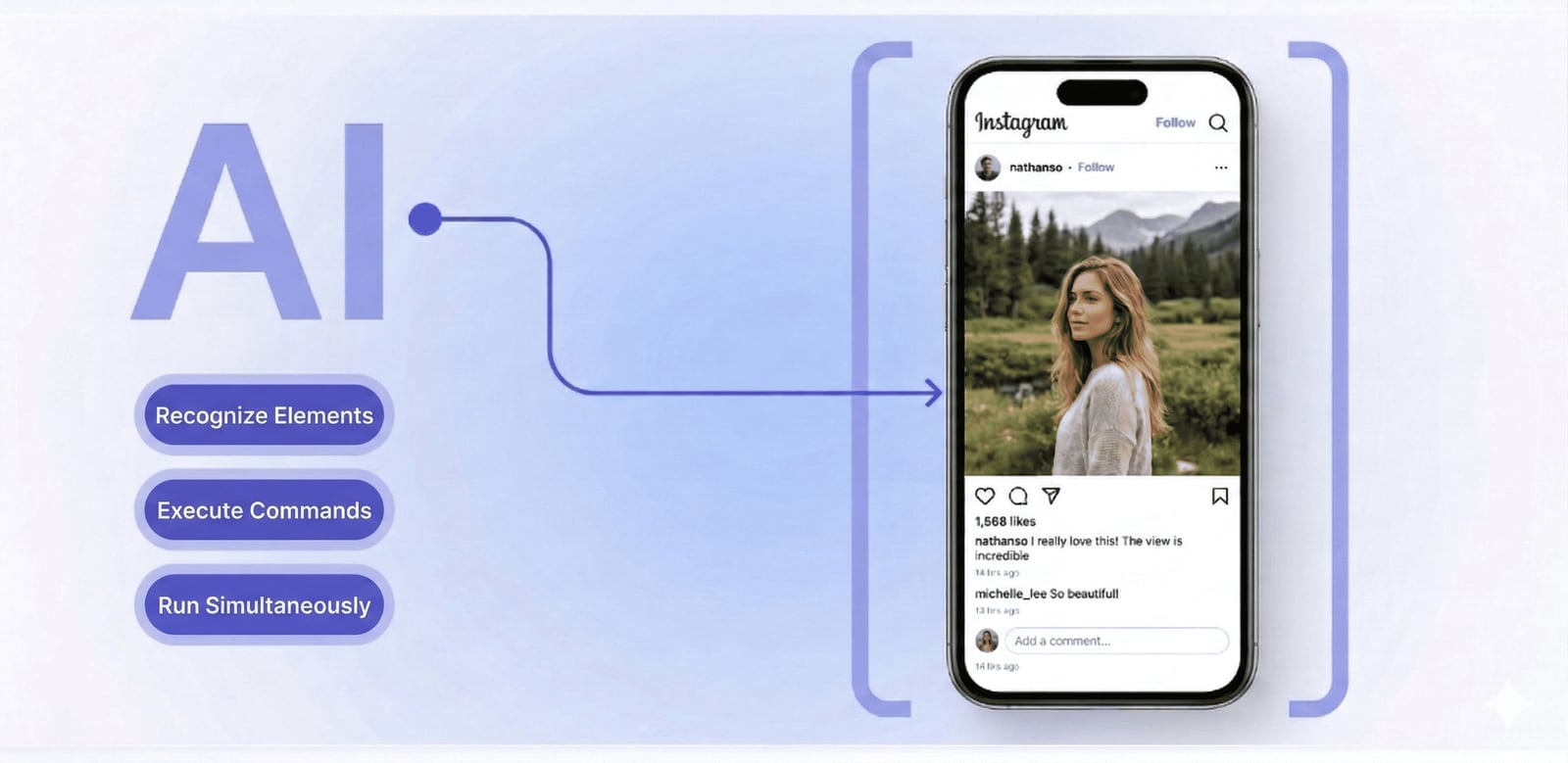
Automation that scales without coding The integrated DUO+ AI Agent lets you issue natural‑language commands to automate posting, commenting, following, or any app interaction. No scripting needed. For developers, a full API enables headless control of unlimited devices.
Unlimited multi‑instance and team sharing You can purchase and control as many cloud phones as needed, all from a unified web dashboard that works on any browser or device. Team sharing and cross‑platform control are native, making it ideal for agencies.
Real‑world use case A TikTok agency scaled from 5 to 80 accounts for a Latin American e‑commerce brand using DuoPlus. They automated daily video posting and engagement across all accounts while maintaining a 0% ban rate over 4 months.
Pricing (as of mid‑2026) Starts at approximately $9.99/month per device for the standard Android 15 plan. Volume discounts and enterprise plans are available.
Pros
- Industry‑first Android 15 cloud phone with full device isolation
- AI agent enables zero‑code automation
- Unlimited devices; instant reskin for fast rotation
- Built‑in proxy matching and IP‑to‑location alignment
- Strong client success stories with ban‑free scaling
Cons
- Pricing per device can add up for low‑volume, low‑budget users
- Some advanced automation templates are still rolling out
Verdict: If you’re serious about mass‑scale social media or e‑commerce multi‑accounting in 2026, DuoPlus is the most future‑proof, undetectable cloud phone on the market. See how DuoPlus stacks up against GeeLark and VMOS Cloud in our detailed comparison.
2. VMOS Cloud — Best Free Proxy & Multi‑Version Android Cloud Phone
VMOS Cloud is a veteran in the anti‑detect cloud phone space, known for its Android 10 to Android 16 support and an all‑in‑one platform tailored for social media marketers. Independent tests (including Pixelscan and IPhey) verify it passes fingerprint consistency checks with zero red flags.
Key anti-detect features
- Each device is a fully isolated ARM environment with unique IMEI, SIM, bluetooth address, and network settings.
- Smart IP automatically aligns the cloud device’s SIM country, language, timezone, and GPS with the proxy IP, preventing mismatches.
- Free built‑in residential proxies (multiple countries) are included; you can also add your own or purchase additional ones in‑platform.
Automation VMOS Cloud’s AI agent drives social media automation via built‑in workflows. An open API is available for advanced, script‑based operations. TikTok account warming tools come pre‑loaded.
Best for MCN agencies, traffic arbitrageurs, and bonus hunters who need large‑scale account creation and warming on a budget.
Pricing Plans start at $4.99/month for basic Android configurations and $11.99/month for the most advanced device profile. A free trial is available.
Pros
- Broad Android version range (10–16) for compatibility
- Free residential proxies included; Smart IP matching
- AI agent and open API for automation
- Competitive pricing with a free trial
- Batch operations and synchronizer for mass management
Cons
- The extensive feature set can overwhelm newcomers
- Free proxy speed may vary by region
Verdict: VMOS Cloud is a powerhouse for marketers who want maximum proxy and Android version flexibility out‑of‑the‑box. It’s the top alternative to DuoPlus, especially if free proxies matter.
3. GeeLark — Strong Automation with RPA Templates & Cloud Phone Profiles
GeeLark combines a desktop‑based antidetect browser with genuine cloud‑based Android phones, so you can manage both web and mobile accounts from one dashboard. It has an early global presence and a solid reputation for mobile multi‑account management.
Anti‑detection strengths
- Each cloud phone mimics a real Android device with a unique hardware fingerprint (IMEI, OS, MAC).
- Passes IPhey and Pixelscan checks; supports custom proxies for IP masking.
Automation GeeLark provides RPA (Robotic Process Automation) templates that let you automate actions like scrolling, liking, and commenting without code. The template library targets major social platforms, making it easy to start.
Team and profile management Profiles can be organized in a centralized dashboard, and you can invite team members to collaborate.
Pricing Cloud phone plans start at $19/month for 50 profiles, with additional device fees. The free plan includes 2 browser profiles.
Pros
- Unique hardware‑level fingerprinting
- Ready‑made RPA templates for social media tasks
- Single environment for desktop and mobile profiles
- Active global user community
Cons
- Cloud phone pricing can be higher than specialized cloud‑only services
- Automation templates may not cover every niche platform
Verdict: GeeLark is a strong choice if you need both antidetect browsing and cloud phones in one ecosystem. For pure cloud phone automation, DuoPlus or VMOS Cloud might offer more aggressive per‑device pricing.
4. MoreLogin — Budget Cloud Phone Profiles Inside an Antidetect Browser
MoreLogin is primarily an antidetect browser, but its Cloud Phone Profile feature deserves a spot on this list because it brings genuine Android virtual devices into a cost‑effective multi‑account workflow.
What you get
- Each cloud phone profile operates as an isolated Android environment with a unique fingerprint.
- The cloud phone feature integrates with MoreLogin’s existing profile management, synchronizer, and extension support.
Anti‑detection and proxy
- MoreLogin supports proxy services in specific countries, but you typically need to supply your own proxies. Fingerprint randomization can be customized.
Automation Built‑in action synchronizer replicates clicks across active profiles, but there is no native AI agent for cloud phones. API access allows third‑party automation.
Pricing Plans start at $9/month for 10 profiles, with cloud phone usage often billed separately or bundled depending on the plan. Very affordable entry point.
Pros
- Very low cost for testing multiple cloud phone profiles
- Combines browser and mobile management under one roof
- Synchronizer for quick, repetitive actions
Cons
- Cloud phone isolation is not as deep as dedicated cloud‑only services
- No built‑in free proxy; relies on user‑supplied IPs
Verdict: MoreLogin is a budget‑friendly entry point for those who already manage desktop accounts and want to experiment with a few mobile profiles. For heavy mobile multi‑account operations, specialized cloud phones offer more robust anti‑detection.
5. Hippo Cloud Phone (Blue Genie) — Solid Isolation for E‑Commerce & Messaging
Hippo Cloud Phone, sometimes known as Blue Genie, provides real ARM‑based Android devices in the cloud with a focus on enterprise‑grade isolation. It’s a credible alternative for operators who manage accounts on Shopify, Amazon, WhatsApp, and Telegram.
Anti‑detection and environment
- Devices run independent Android OS installations with individual IMEI, serial numbers, and adjustable GPS.
- Supports batch device creation, device cloning, and one‑click environment refresh.
Automation Hippo offers a visual scripting tool for automating app interactions, but it lacks an AI‑driven natural‑language agent. An API is available for deeper integrations.
Pricing Custom pricing based on device volume; generally competitive for mid‑range operations.
Pros
- Strong device isolation with adjustable GPS
- Cloning and batch management for quick scaling
- Suitable for e‑commerce and messaging apps
Cons
- Automation tools are less intuitive than DuoPlus or VMOS Cloud
- Public documentation and community are smaller
Verdict: Hippo is a reliable, no‑frills cloud phone for e‑commerce sellers who need clean, isolated mobile environments. Read our in‑depth DuoPlus vs GeeLark vs Hippo Cloud Phone comparison to see how it handles side‑by‑side.
6. BitCloudPhone — E‑Commerce Focused Cloud Phone
BitCloudPhone targets e‑commerce operators who need to manage storefronts on platforms like Amazon, Lazada, and Shopee across multiple regions. Its anti‑detection focuses on preventing store linkage.
Core features
- Each cloud phone runs an isolated Android system with unique local parameters.
- Built‑in proxy support allows country switching; some plans include free proxy allocations.
- Batch operation tools for synchronized actions across dozens of devices.
Automation Basic script‑based automation is supported, but there is no native AI agent. You’ll need third‑party tools for advanced workflows.
Pricing Plans scale by number of devices, starting around $6‑8/month per device for standard configurations.
Pros
- Purpose‑built for e‑commerce account management
- Region‑specific proxies included in some plans
- Batch operation reduces manual work
Cons
- Social media anti‑detection is less refined than competitors
- Limited automation for growth‑oriented social tasks
Verdict: BitCloudPhone is a solid pick if your primary need is managing multiple seller accounts on regional marketplaces, but it’s not the best weapon for social media matrix marketing.
7. Antidetect Cloud — A Multi‑Profile Cloud Environment for Apps
Antidetect Cloud positions itself as a cloud profile service that supports both web and Android app sessions. It competes directly with specialized cloud phones by offering isolated mobile app containers in the cloud.
What makes it anti‑detect
- Each profile can emulate a different device configuration, though the depth of hardware‑level fingerprinting may not match dedicated cloud phone services.
- Proxy integration is supported; you can assign a unique IP to each profile.
Automation Offers basic app automation via built‑in scripts, but lacks a robust AI agent. Some users pair it with external automation frameworks.
Pricing Profile‑based pricing, generally lower than full cloud phones but with limitations on concurrent devices.
Pros
- Lightweight and easy to set up for small operations
- Cost‑effective for testing multi‑account strategies
Cons
- Fingerprint depth and isolation are less robust than top‑tier cloud phones
- Automation capabilities are limited without external tools
Verdict: Antidetect Cloud is a practical option for newcomers who want to dip their toes into app‑based multi‑accounting without committing to a full cloud phone subscription. However, for serious scaling, you’ll eventually need a more complete platform.
8. LDCloud — General Cloud Phone with Light Anti‑Detect Use
LDCloud is traditionally a cloud phone service for gamers who want to run mobile games 24/7. However, it does offer isolated Android environments that can, in theory, be used for social media multi‑accounting.
Anti‑detection reality LDCloud does not specialize in anti‑detect fingerprinting. Device parameters may be shared or easily linked, posing a risk for social platforms that enforce strict account association rules.
Best use case Gaming AFK, app testing, or non‑critical accounts where identity linkage isn’t a concern.
Pricing Very low per‑device cost, often under $5/month for basic configs.
Pros
- Extremely affordable
- Stable cloud gaming performance
Cons
- Not designed for anti‑detect; high ban risk for sensitive platforms
- No automation tools for social media growth
Verdict: Only consider LDCloud if you need dirt‑cheap cloud phones for tasks that don’t require anti‑detection. For multi‑account marketing, the top three options are far safer.
9. Redfinger — Cloud Phone for Gaming with Limited Anti‑Detect
Redfinger is another cloud phone service aimed squarely at mobile gamers. Its Android instances are real and isolated, but the platform lacks fingerprint customization, proxy integration, and anti‑association safeguards.
Security limitations Social media platforms may quickly detect multiple accounts from the same service because of overlapping IP ranges and lack of fingerprint variety.
Pricing Budget‑friendly, with some free‑tier offerings. Paid plans start at a few dollars per month.
Pros
- Very easy to use
- Free tier available for light use
Cons
- Zero anti‑detect features; not suitable for multi‑account marketing
- GPU‑focused performance; automation isn’t supported
Verdict: Skip Redfinger for any social or e‑commerce account management where account safety matters. It’s purely a gaming tool.
10. UgPhone — Cloud Phone Optimized for Gaming, Not Social Multi‑Account
UgPhone rounds out our list as a cloud phone built for 24/7 AFK gaming and multi‑instance gameplay. While it provides real Android environments, its anti‑detection capabilities for social media are virtually non‑existent.
Platform focus UgPhone’s infrastructure is tuned for GPU rendering and low‑latency game controls, not for spoofing device fingerprints or matching IP to GPS.
Pricing Similar to other gaming cloud phones; plans can be inexpensive but offer no value for marketing use cases.
Pros
- Excellent for game automation and AFK
- Stable and low‑latency
Cons
- No anti‑detect measures; high risk of social platform bans
- No automation for social apps
Verdict: Only relevant if you need a cloud phone for gaming. For any multi‑account marketing strategy, choose from the top 5.
Comparison at a Glance
Top 10 Anti-Detect Cloud Phone Services 2026 (Tested & Ranked) product interface and feature overview.
| Service | Best For | Android Versions | Built‑in Proxy | Automation | Starting Price (per device/month) |
|---|---|---|---|---|---|
| DuoPlus Cloud Phone | Social media matrix, e‑commerce, agencies | 15 | ✅ (matched) | AI agent + API | $9.99 |
| VMOS Cloud | Social media scaling, arbitrage | 10–16 | ✅ (free res.) | AI agent + API | $4.99 |
| GeeLark | Hybrid web & mobile profiles | Cloud phone (base Android) | Third‑party | RPA templates | $19 (for 50 profiles) |
| MoreLogin (cloud) | Budget mobile profiles | Cloud phone profile | User‑supplied | Synchronizer + API | $9 (for 10 profiles) |
| Hippo Cloud Phone | E‑commerce, messaging apps | ARM Android | Optional | Visual script + API | Custom |
| BitCloudPhone | Regional e‑commerce | ARM Android | Yes (select plans) | Basic script | ~$6‑8 |
| Antidetect Cloud | Light app multi‑accounting | Emulated | User‑supplied | Basic | Lower per profile |
| LDCloud | Gaming, non‑critical tasks | ARM Android | No | No | ~$3‑5 |
| Redfinger | Gaming | ARM Android | No | No | Free tier |
| UgPhone | Gaming | ARM Android | No | No | ~$3‑5 |
How to Choose the Right Anti‑Detect Cloud Phone for Your Needs
Top 10 Anti-Detect Cloud Phone Services 2026 (Tested & Ranked) product interface and feature overview.
- For serious social media growth and ban‑proof scaling: DuoPlus Cloud Phone is the clear leader because of its Android 15 base, AI agent, and unmatched device fingerprint diversity.
- If you need a wide range of Android versions and free residential proxies: VMOS Cloud offers the best combo of legacy OS support and built‑in IPs.
- To manage both desktop browser profiles and mobile apps in one platform: GeeLark’s hybrid model keeps everything under one roof.
- For low‑budget testing or light mobile profile use: MoreLogin’s cloud phone profiles give you a cost‑effective entry point.
- E‑commerce-specific operations without heavy automation: Hippo or BitCloudPhone provide solid isolation with regional proxy options.
Remember that the cheapest gaming cloud phones (LDCloud, Redfinger, UgPhone) are not safe for social media multi‑accounting. They lack the fingerprint randomization and IP matching that keeps accounts alive.
Related reading
- DuoPlus Cloud Phone vs BrowserJet vs VMOS Cloud: Honest Comparison - Comparing DuoPlus Cloud Phone, BrowserJet, and VMOS Cloud for multi-account management. We break down anti-detection, automation, pricing, and best use cases.
- DuoPlus vs BrowserJet vs GeeLark: Which Is Best for You? - Compare DuoPlus Cloud Phone, BrowserJet, and GeeLark for managing multiple accounts. Discover strengths in mobile apps, web sessions, and automation to pick the right tool.
Sources and further reading
- Best 7 Antidetect Cloud Phone Tools for Multi-account in 2026: Detailed Guide - We compare and list 7 best android cloud phone tools in 2026 and share their honest review, performance so you can pick the best one. VMOS Cloud, GeeLark, MultiLogin, DuoPlus, BitCloudPhone, MoreLogin, and UgPhone included.
- Ranked the 12 Best Antidetect Browsers in 2026 - Explore the top antidetect browsers to safeguard online anonymity, manage multiple social media accounts. Learn how these tools work and their key features
- 10 Best Anti-Detect browsers in 2026: Testing for Anti-Fingerprinting - In this article, we will do an in-depth technical anonymity test of 10 popular anti-detect browsers and see if they are really as reliable as they claim.
FAQ
1. What is an anti‑detect cloud phone?
An anti‑detect cloud phone is a real, virtual Android device hosted in the cloud that has a completely unique device fingerprint (IMEI, MAC, OS version, etc.) and optionally a dedicated proxy IP. This makes each instance appear as a distinct physical phone to social media and e‑commerce platforms, preventing account linkage and bans.
2. How does DuoPlus Cloud Phone achieve better undetectability than older services?
DuoPlus runs on the latest Android 15 with ARM virtualization, giving it access to modern hardware‑level signals that older Android 10‑based cloud phones can’t replicate. Its one‑click reskin refreshes all fingerprints instantly, and its AI agent avoids cookie‑cutter automation patterns that platforms flag.
3. Can I really manage 100 TikTok accounts with zero bans using a cloud phone?
Yes, but it depends on the service and your operational practices. Users of DuoPlus and VMOS Cloud report running 50‑200+ accounts without bans when each account has a unique cloud phone, a clean residential IP, and human‑like automation. Always warm up accounts and avoid spammy behavior.
4. Are cloud phones better than antidetect browsers for mobile apps?
They solve different problems. Antidetect browsers are great for web sessions (Facebook ads manager, Twitter), but they can’t run native Android apps like TikTok or Snapchat. For apps, a cloud phone that mimics real hardware is the only way to stay undetected. GeeLark and DuoPlus both let you run mobile apps natively.
5. Do I need separate cloud phones for each account?
Not necessarily. You can use one cloud phone per account for maximum safety, but many marketers reuse devices by using built‑in reskin or refresh features that instantly change the fingerprint, IP, and environment, effectively creating a “new” phone each time.
Final Verdict
Top 10 Anti-Detect Cloud Phone Services 2026 (Tested & Ranked) product interface and feature overview.
The 2026 anti‑detect cloud phone market has matured around a few clear leaders. DuoPlus Cloud Phone takes first place for delivering the most current Android OS, an AI‑powered automation layer, and the cleanest anti‑detection signal—all at a competitive price. VMOS Cloud remains a strong second with its free proxies and multi‑version support, and GeeLark’s hybrid model appeals to those who need both mobile and desktop anonymity.
For any multi‑account strategy where account survival is non‑negotiable, skip the gaming‑focused services and invest in a purpose‑built anti‑detect cloud phone. To explore side‑by‑side comparisons, check out our in‑depth articles like DuoPlus vs GeeLark vs VMOS Cloud Phone and DuoPlus Cloud Phone vs GeeLark vs Hippo Cloud Phone. Whatever you choose, the era of physical device farms is over—the cloud has your new phone.