
DuoPlus Cloud Phone vs Antidetect Cloud vs Blue Elf Cloud Phone: How to Choose a Multi-Account Tool
Compare DuoPlus Cloud Phone, Antidetect Cloud, and Blue Elf Cloud Phone on multi-account management, anti-detection, automation, and use cases to find the best fit for cross-border e-commerce and social media marketing.
DuoPlus Cloud Phone vs Antidetect Cloud vs Blue Elf Cloud Phone: How to Choose a Multi-Account Tool
When running cross-border e-commerce, social media matrix, or private traffic operations, you can't avoid a core question: how to manage dozens or even thousands of accounts simultaneously without being flagged by platform risk control. There are three mainstream solutions on the market—real Android cloud phones, anti-detect browsers, and hardware cloud phone clusters. This article compares DuoPlus Cloud Phone, Antidetect Cloud, and Blue Elf Cloud Phone side by side to help you choose based on your actual business scenarios.
What Are the Differences in Positioning?
DuoPlus Cloud Phone vs Antidetect Cloud vs Blue Elf Cloud Phone: How to Choose a Multi-Account Tool - What Are the Differences in Positioning?.
First, let's clarify a key distinction: although they all serve multi-account management, their underlying forms are completely different.
- DuoPlus Cloud Phone: A real Android virtual device based on ARM chips, running Android 15. Each instance has an independent device fingerprint, GPS, SIM data, and proxy IP. It's a "real phone environment in the cloud."
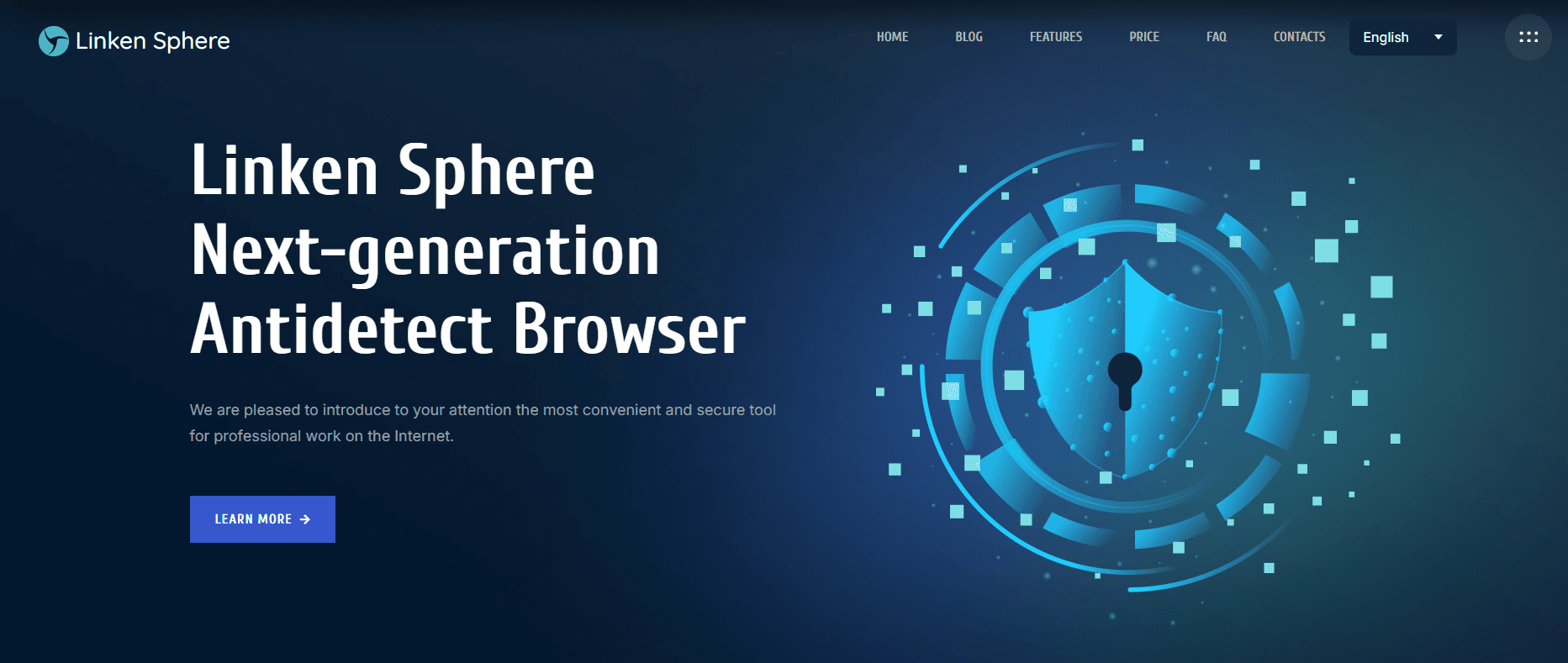
- Antidetect Cloud: An anti-detect browser that focuses on spoofing fingerprints at the browser level, providing local and cloud profiles. It's a "browser environment isolation."
- Blue Elf Cloud Phone: A hardware cloud phone cluster device that integrates dual independent Android 13 cloud phones, equipped with an 8-core CPU, 8GB RAM, and 128GB storage. It's "physical hardware + cloud control."
Understanding this difference makes many subsequent selection logics naturally clear.
Comparison Dimension 1: Account Security and Anti-Detection Capabilities
DuoPlus Cloud Phone vs Antidetect Cloud vs Blue Elf Cloud Phone: How to Choose a Multi-Account Tool - Comparison Dimension 1: Account Security and Anti-Detection Capabilities.
Antidetect Cloud's Browser-Level Isolation
Antidetect Cloud does a solid job in browser fingerprint spoofing. It supports deep fingerprint spoofing, can create independent digital identities for each account, and provides cloud profile storage. This means when you log into the same profile on different devices, the environment parameters remain consistent. For multi-account scenarios that primarily rely on web-based operations—such as Facebook ad account management, Amazon store backend switching, and affiliate marketing landing page testing—this browser-level isolation is sufficient to handle most risk control detection.
Another advantage is its built-in VPN service and Android support. If you also need a mobile browser environment, Antidetect Cloud's Vifox mobile browser configuration app can be subscribed via Apple In-App Purchase, extending anti-detection capabilities on iOS devices.
Blue Elf Cloud Phone's Real Chip Solution
Blue Elf Cloud Phone takes a different route: using real chip hardware to run the Android 13 system. This means it runs a complete Android environment, not an emulator or browser shell. For scenarios that require installing many Android apps and relying on real device behavior, the compatibility and stability of real chips have clear advantages.
Its overseas data center deployment is also noteworthy. The cloud phone cluster is hosted in overseas data centers, making the network egress and hardware environment closer to real users in target markets. Combined with virtual positioning and virtual scene simulation features, it can simulate usage environments in different regions to some extent.
DuoPlus Cloud Phone's Environmental Independence
DuoPlus Cloud Phone goes further in environment isolation: each cloud phone instance has a completely independent device fingerprint, global simulated GPS, dedicated SIM data, and proxy IP. This design makes each account appear to run on a separate local phone, not multiple clones of the same device.
For scenarios that heavily rely on mobile app behavior, such as TikTok matrix, YouTube channel management, and Telegram channel growth, a complete Android environment can simulate real users better than a browser environment. DuoPlus's one-click skin change feature can instantly refresh all device parameters, suitable for operations that require rapid account rotation.
Comparison Dimension 2: Automation and Batch Operations
DuoPlus Cloud Phone vs Antidetect Cloud vs Blue Elf Cloud Phone: How to Choose a Multi-Account Tool - Comparison Dimension 2: Automation and Batch Operations.
Blue Elf Cloud Phone's Group Control Capabilities
Blue Elf Cloud Phone is very straightforward in batch management. Users control thousands of cloud phones through a web browser, supporting real-time screen viewing and synchronized operation management. This means you can operate multiple devices simultaneously on one interface, batch install apps, batch upload files, and even conduct multi-stream live broadcasts.
For scenarios requiring "one-to-many" synchronized operations—such as posting the same content to 50 accounts at once, batch account warming, and unified private message replies—Blue Elf's group control design can significantly reduce repetitive work. It also supports advanced ADB debugging, allowing technical teams to integrate custom automation scripts.
Antidetect Cloud's Automation Workflows
Antidetect Cloud provides automation workflow tools that can orchestrate tasks across browser profiles. For repetitive web-based operations—such as batch logins, form filling, and data scraping—its automation capabilities can save a lot of time.
However, note that browser automation has inherent limitations when simulating mobile app behavior. If your core business is on mobile-first platforms like TikTok or Instagram, browser automation can only cover web versions and cannot fully replace app-side operations.
DuoPlus Cloud Phone's AI Automation
DuoPlus Cloud Phone's built-in DUO+ AI Agent uses a no-code automation approach: users give instructions in natural language, and the AI agent automatically completes in-app actions like posting, commenting, and following. This lowers the barrier to scripting skills, so operations staff can set up automation tasks without knowing how to code.
For scenarios with high content publishing frequency but no dedicated developers on the team, this natural language-driven automation is easier to adopt.
Comparison Dimension 3: Scalability and Cost Structure

DuoPlus Cloud Phone vs Antidetect Cloud vs Blue Elf Cloud Phone: How to Choose a Multi-Account Tool - Comparison Dimension 3: Scalability and Cost Structure.
Antidetect Cloud's Subscription Model
Antidetect Cloud's pricing ranges from $25/month (individual users) to $180/month (large teams), and it also offers permanent licenses and lifetime versions. For individual operators with limited budgets and account counts within dozens, subscription costs are relatively controllable.
But note that anti-detect browser costs typically do not include proxy IP fees. You need to purchase residential or mobile proxies separately to pair with each browser profile, and this hidden cost is often overlooked during budget planning.
Blue Elf Cloud Phone's Hardware Investment
Blue Elf Cloud Phone is a hardware device; the purchase cost is one-time, but you need to maintain the device operating environment yourself. It supports plug-and-play and easy setup, making it friendly for non-technical users.
The advantage of the hardware solution is no ongoing subscription fees, suitable for teams with long-term stable operations. The disadvantage is that hardware has physical limits; expansion requires purchasing more devices, and device failures need to be handled by yourself.
DuoPlus Cloud Phone's Multi-Instance Scalability
DuoPlus Cloud Phone supports unlimited multi-instances, allowing users to purchase and control any number of cloud phones as needed. This on-demand expansion model suits businesses with fluctuating account numbers—add accounts during peak seasons, reduce during off-seasons, without needing to stockpile hardware in advance.
The unified control panel supports team sharing and cross-platform control, allowing management of all cloud phone instances from any browser or device, which is friendly for distributed teams.
Comparison Dimension 4: Use Case Matching
When to Choose Antidetect Cloud
If your business primarily occurs on the web, the following scenarios are better suited for anti-detect browsers:
- Facebook/Google ad account management
- Amazon, eBay, and other multi-store backend operations
- Affiliate marketing landing page testing
- Web data scraping and price monitoring
- Individual operators with limited budgets and account counts within 50
Antidetect Cloud's "customer-first" support strategy and Facebook/Telegram support channels are also plus points for individual users who need timely responses.
When to Choose Blue Elf Cloud Phone
If your business requires a large number of Android devices online simultaneously, the following scenarios are better suited for hardware cloud phone clusters:
- Mobile management of cross-border e-commerce stores
- Batch account warming in private traffic operations
- Multi-stream live video broadcasting
- Cloud gaming idle sessions
- Batch tasks requiring group control and synchronized operations
Blue Elf's 24-hour unlimited idle capability is a core advantage for businesses that need devices continuously online (such as live streaming idle or gaming idle).
When to Choose DuoPlus Cloud Phone
If your core business is on mobile apps and you have high account security requirements, the following scenarios are better suited for DuoPlus Cloud Phone:
- TikTok matrix marketing
- YouTube channel operations
- Instagram/Facebook mobile operations
- Telegram channel growth
- Twitter brand promotion
- Reddit community engagement
- Tinder and other dating app marketing
- Zalo Southeast Asia market expansion
DuoPlus's Android 15 system and independent device parameters have an advantage in simulating authenticity for mobile apps. If you previously used physical device farms to manage accounts, DuoPlus can serve as a cloud replacement, saving device procurement and maintenance costs.
The Possibility of Combined Use
In actual operations, many teams don't choose just one of the three; they combine them.
A common combination is: use DuoPlus Cloud Phone or Blue Elf Cloud Phone for mobile app operations, and Antidetect Cloud for web backend management. For example, TikTok content publishing is done on cloud phones, while ad placement and data analysis are done on anti-detect browsers, each playing its role.
If you're comparing other tool combinations, you can refer to the detailed analyses in DuoPlus Cloud Phone vs Kameleo vs Antidetect Cloud and DuoPlus Cloud Phone vs AdsPower vs Blue Elf Cloud Phone.
Decision Checklist for Selection
Before making a final decision, ask yourself these questions:
- Is your core operation on the web or mobile apps? If web-based, choose an anti-detect browser; if mobile-based, choose a cloud phone.
- How many accounts do you need to operate simultaneously? Within 50, subscription-based solutions can be prioritized; hundreds or thousands require evaluating the batch management capabilities of cloud phones.
- Does your team have technical development capabilities? If yes, you can fully utilize Blue Elf's ADB debugging and Antidetect Cloud's automation workflows; if no, DuoPlus's natural language AI automation is more suitable.
- Is your budget for ongoing subscriptions or hardware investment? Short-term projects suit subscriptions; long-term stable operations can consider hardware solutions.
- How high are your account security requirements? If account assets are high-value and losses from bans are significant, prioritize solutions with the most thorough environment isolation.
Frequently Asked Questions
Can cloud phones and anti-detect browsers replace each other?
Not completely. Anti-detect browsers isolate the browser environment, suitable for web operations; cloud phones provide a complete Android system environment, suitable for mobile app operations. If your business involves both, it's recommended to use them in combination.
What is the difference between Blue Elf Cloud Phone and DuoPlus Cloud Phone?
Blue Elf is a hardware device that requires purchasing physical hardware and maintaining it yourself; its advantages are group control capabilities and one-time investment. DuoPlus is a cloud service where you purchase instances on demand; its advantages are unlimited scalability and no hardware maintenance. Both provide real Android environments, but their deployment methods differ.
Does Antidetect Cloud's pricing include proxy IPs?
Antidetect Cloud includes a built-in VPN service, but professional multi-account operations typically require pairing each profile with a dedicated proxy IP. Specific proxy costs depend on the proxy provider and IP type you choose.
Which solution is best for TikTok matrix operations?
TikTok matrix operations heavily rely on mobile app behavior and device authenticity, so cloud phone solutions are usually more suitable than anti-detect browsers. DuoPlus Cloud Phone's independent device parameters and one-click skin change, as well as Blue Elf Cloud Phone's group control capabilities, can both be candidates for TikTok matrix; the specific choice depends on your preferences for automation level and deployment method.
Do multi-account management tools need to be paired with proxy IPs?
Yes. Regardless of the tool, each account should have an independent IP egress to avoid triggering platform risk control due to IP association. Cloud phone solutions typically include built-in proxy IP allocation, while anti-detect browsers require you to configure proxies yourself.
Conclusion
DuoPlus Cloud Phone, Antidetect Cloud, and Blue Elf Cloud Phone represent three different technical routes for multi-account management. There is no absolute superiority or inferiority, only varying degrees of scenario fit.
If your business is primarily web-based, has a limited budget, and a moderate number of accounts, Antidetect Cloud's browser-level isolation is a cost-effective choice. If you need a large number of Android devices online simultaneously and value group control synchronized operations, Blue Elf Cloud Phone's hardware cluster solution is worth considering. If your core business is on mobile apps, has high account security requirements, and needs flexible scalability, DuoPlus Cloud Phone's Android 15 real environment and unlimited multi-instance capabilities better match your needs.
The most practical approach is: first clarify your core operation scenarios and account scale, then choose the corresponding tool type. If conditions allow, start with a small-scale trial to verify the tool's performance in actual business before deciding on full investment.
For more multi-account tool comparisons, you can check DuoPlus Cloud Phone vs RoxyBrowser vs BitBrowser and DuoPlus Cloud Phone vs GeeLark vs MoreLogin.
Related reading
- DuoPlus Cloud Phone vs RoxyBrowser vs Nstbrowser - Compare the multi-account management features of DuoPlus Cloud Phone, RoxyBrowser, and Nstbrowser. Learn which is better for real Android cloud phones, anti-detect browsers, or automation.
Sources and further reading
- Partners - SocialEcho - Collaborating with outstanding global enterprises to jointly drive social media marketing innovation and provide users with more complete solutions.
- Fire Cloud Browser - Anti-Association Fingerprint Browser - Cross-border E-commerce Multi-Account Management Tool - Free Download - Fire Cloud anti-association fingerprint browser, a powerful tool for cross-border e-commerce multi-account management: independent browser fingerprints, clean proxy IPs, team collaboration, supporting Amazon/TikTok multi-store secure isolation and anti-association. Free download for efficient operations.
- Partners - Cliproxy - CliProxy has established strategic partnerships with the most popular fingerprint browsers, cloud phones, cross-border e-commerce platforms, and overseas expansion tools in the market.