
iRemotech Review 2026: Real iPhone Cloud for Mobile Ops
Evidence-based iRemotech review: real cloud iPhones for Instagram automation, QA, and device fleets. Pricing, setup, strengths, limits, and who should buy.
iRemotech Review 2026: Real iPhone Cloud for Mobile Ops
Renting a real iPhone in a data center sounds like a niche idea until you try to run 50 Instagram accounts, validate an iOS release, or keep a mobile fleet consistent while your team works from three time zones. iRemotech sells exactly that: dedicated physical iPhones hosted remotely, with a dashboard, multi-device control, API access, and automation tooling. This review examines what the platform actually provides, where it fits, and where buyers should slow down.
What iRemotech Is (and Is Not)
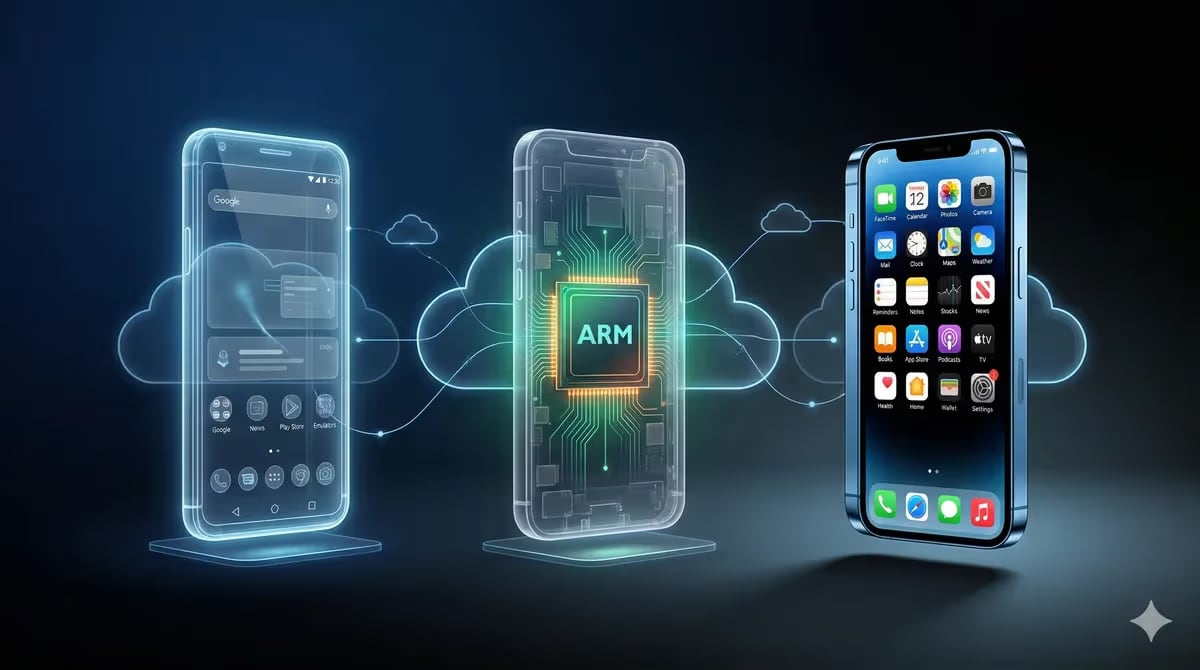
iRemotech product interface.
iRemotech is a remote iPhone infrastructure service. Each subscription maps to a physical iPhone running iOS in a hosted environment, accessible through a web dashboard. The company reports more than 6,600 devices deployed, over 4,500 accounts managed, and roughly 340,000 automations per month. Those are vendor figures, not independently audited numbers, but they indicate a platform built for volume rather than a side project.
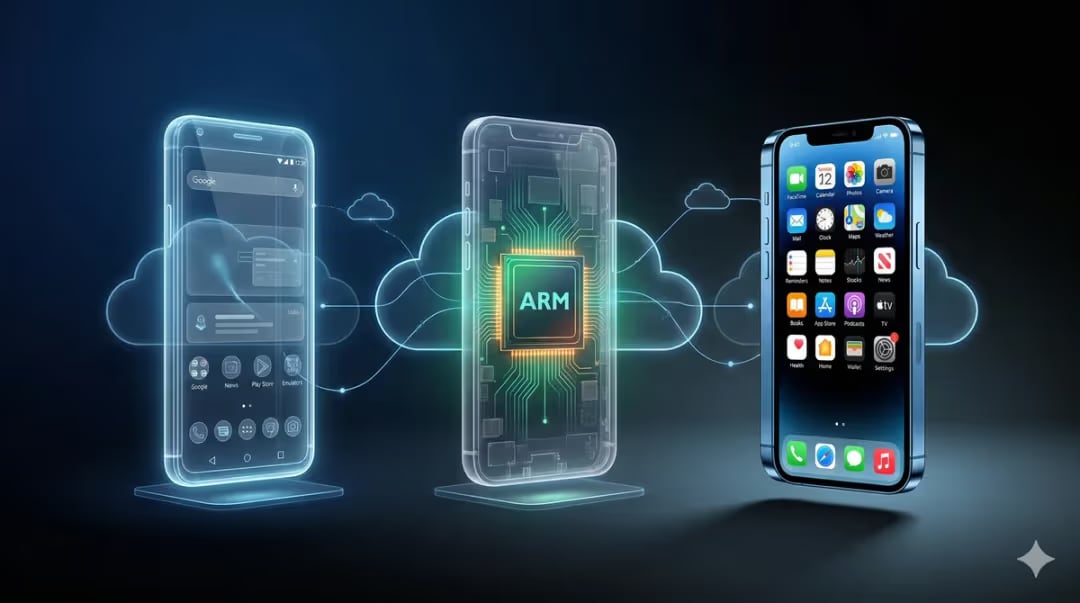
The key distinction is hardware. Android emulators and cloud-phone virtualization create software environments that imitate a device. iRemotech uses non-jailbroken, non-developer-mode iPhones with carrier-backed identity options. In practice, that means app behavior, OS consistency, and network context come from a real device rather than a simulated profile.
It is not a magic ban shield. No provider can guarantee account longevity, and platform rules still govern what you can do. Treat iRemotech as infrastructure, not as a compliance strategy.
Who Should Consider iRemotech
First viewport screenshot of Phone Farming Blog | iRemotech — Page 2.
Social media agencies and mobile operations teams
Agencies managing multiple client accounts on Instagram need isolated devices, consistent app versions, and a way to hand work between operators. iRemotech's multi-view dashboard and team management features target this workflow directly. The built-in Instagram automations — warm-up sequences, account status checks, and listing — reduce the need to stitch together third-party scripts.
QA and app validation teams
Testing an iOS app on emulators misses real hardware behavior: camera flows, push notifications, carrier signals, and performance under actual device constraints. A hosted physical iPhone gives QA teams reproducible access without shipping devices between offices. If your test plan depends on SMS verification, SIM behavior, or app integrity signals, real hardware matters more than a virtual device.
Security and compliance teams
Enterprises that need dedicated device pools with controlled access often cannot justify buying and securing racks of iPhones. A managed fleet with per-device assignment and team permissions is easier to audit than a closet of handsets. That said, buyers should confirm data handling, device wipe procedures, and session logging before committing.
Who should look elsewhere
If your work is browser-based — ad dashboards, web scraping, profile management — an anti-detect browser is usually cheaper and more appropriate. If you only need Android app testing, Android cloud phones cover that ground. iRemotech's value is specifically tied to iOS and physical device behavior. For a broader view of alternatives, see our ranking of anti-detect browser and cloud phone platforms.
Core Features in Practice
Remote management dashboard. Devices are organized, assigned, and monitored from a browser. Multi-view control lets one operator watch several screens at once, which is useful for spotting stalled automations or login prompts.
Instagram automations. Warm-up, status checks, and listing are built in. This is convenient for agencies already running account farms, but automation quality varies by workflow. Test with a small batch before scaling.
API access. Teams with existing orchestration can connect iRemotech to internal tools. This matters for enterprises that already have scheduling or reporting systems and do not want a second silo.
Team management. Role-based access and device assignment help separate operators, reviewers, and admins. Confirm the exact permission granularity during a trial.
Latency. The vendor cites under 50ms from the EU. Latency affects how usable remote control feels, especially for manual posting or verification steps. Test from your actual operating locations.
Pricing Signals and Total Cost
List pricing starts at $50 per iPhone per month, with no setup fees and cancel-anytime terms. That is a straightforward signal: you pay per device, not per seat or per automation run.
The real cost question is what surrounds the device. Compare iRemotech against three alternatives:
- Buying iPhones yourself: hardware, SIM plans, power, security, replacement, and staff time to manage a physical farm.
- Android cloud phones: lower entry cost for Android-only work, but not a substitute when iOS is required.
- Emulators: cheapest on paper, but weaker on device identity and app integrity signals — a risk when account trust matters.
For a small agency running 10 devices, $500 per month may be competitive with the overhead of a self-hosted farm. For a team running 500 devices, negotiate enterprise terms and model support response times, not just per-unit price. Our cloud phone and emulator comparison provides a cost baseline across categories.
Setup and Onboarding
Onboarding is remote by design: you choose device count, configure team access, and connect automation workflows through the dashboard or API. Expect to spend time on three things:
- Device and iOS version selection. Confirm the model and iOS version match your app requirements before assigning devices to workflows.
- Network configuration. Decide whether you need carrier-backed SIM identity or proxy-based networking. These are different trust signals, and the right choice depends on your use case.
- Workflow pilot. Run a representative authorized workflow — a warm-up sequence, a QA script, a manual posting session — and record completion rates and recovery steps.
A pilot is the single most useful onboarding step. It surfaces whether SMS verification, camera access, or media uploads behave as expected in a remote session.
Strengths and Limitations
First viewport screenshot of Phone Farming Blog | iRemotech — Page 3.
Strengths
- Real physical iPhones, not emulators, which matters for iOS-specific behavior and app integrity.
- Per-device pricing with no setup fee lowers the commitment barrier.
- Built-in Instagram automations and API access reduce tool sprawl.
- Team management and multi-view control suit agency operations.
- Vendor-reported scale suggests the infrastructure can handle large fleets.
Limitations
- At $50 per device per month, costs scale linearly; large fleets require enterprise negotiation.
- Public evidence is thin. Much of the discussion lives in forum threads, and some users report mixed experiences with cloud iPhone providers generally. Independent, long-term performance data is limited.
- Real devices do not eliminate platform risk. Account history, operator behavior, and platform rules still determine outcomes.
- Buyers must verify feature-level details — SMS, SIM, camera, session persistence — rather than assume a subscription includes everything.
iRemotech vs Alternatives: Decision Criteria
iRemotech product interface.
Use these questions to decide:
- Does the workflow require iOS? If yes, iRemotech is a credible shortlist candidate. If no, Android cloud phones or browser profiles may be cheaper.
- Is device identity important? For multi-account operations where app integrity signals matter, physical devices have an edge over emulators.
- What is your scale? Small teams benefit from per-device pricing and no setup fees. Large fleets should model support and enterprise terms.
- How much control do you need? Self-hosted farms offer more control but carry operational burden. Managed infrastructure trades control for convenience.
- What does your pilot show? Compatibility, task completion, and recovery effort in a real trial beat any spec sheet.
For a direct comparison of real-device approaches, see our DuoPlus Cloud Phone vs ShadowPhone analysis, which contrasts real ARM cloud devices with USB-connected phones for Instagram automation.
Related reading
- How to Use DuoPlus Cloud Phone with NordVPN: Setup & Workflow - Learn how to combine DuoPlus Cloud Phone with NordVPN for isolated mobile environments and encrypted traffic, including setup steps, use cases, and troubleshooting.
- DuoPlus Cloud Phone vs Antidetect Cloud vs Kameleo: 2026 Guide - Compare DuoPlus Cloud Phone, Antidetect Cloud, and Kameleo for multi-accounting and web scraping. Find the best tool for mobile apps vs browser tasks.
Sources and further reading
- The heart of the internet - Hey! We offer sim card plan(50GB or Unlimited) and wifi with proxy set up build in if required instead of sim.
- Cloud phone services with real Iphones - I have been thinking of running a big operation for Instagram reels using cloud phone services that actually rent you real iphones, the best one I have found so far is iremotech. I wanted to ask if this is a legit way to run a lot of accounts legitimately since these are real iphone devices with...
- iRemotech vs Multilogin: Android Cloud Phones vs iPhones - Compare Multilogin browser profiles and Android cloud phones with iRemotech physical iPhones. Choose by operating system, app compatibility and workflow.
FAQ
Is iRemotech a legitimate service?
It presents itself as a commercial remote iPhone infrastructure provider with published pricing and scale metrics. As with any vendor, verify contracts, data handling, and trial performance before committing. Forum discussion is mixed and should be treated as anecdotal, not definitive.
Does iRemotech use real iPhones?
Yes, the service is built around physical, non-jailbroken iPhones hosted in data centers, with carrier-backed identity options. This distinguishes it from emulators and virtualized Android environments.
How much does iRemotech cost?
Pricing starts at $50 per iPhone per month, with no setup fees and cancel-anytime terms. Enterprise pricing for larger fleets is not publicly listed.
Can iRemotech prevent Instagram bans?
No provider can guarantee that. Real devices improve device identity and app integrity signals, but account history, behavior, and platform rules remain decisive factors.
Who is iRemotech best for?
Social media agencies, mobile operations teams, iOS QA teams, and enterprises needing dedicated device pools. Browser-only workflows and Android-only testing are usually better served by other tools.
Conclusion
iRemotech is a focused product for a specific problem: operating and testing real iPhones without owning the hardware. Its per-device pricing, built-in automations, and team controls make it a practical option for agencies and QA teams. The limitations are equally clear — linear costs, limited independent evidence, and no immunity from platform risk. Run a pilot, verify the feature details that matter to your workflow, and compare total cost against self-hosted and Android alternatives before scaling.