
VMOS Product Matrix Review: Global Growth Cloud Phones
Evidence-based VMOS Product Matrix for Global Growth review: cloud phones, AI agents, OwlProxy, pricing signals, setup, pros, cons, and best alternatives.
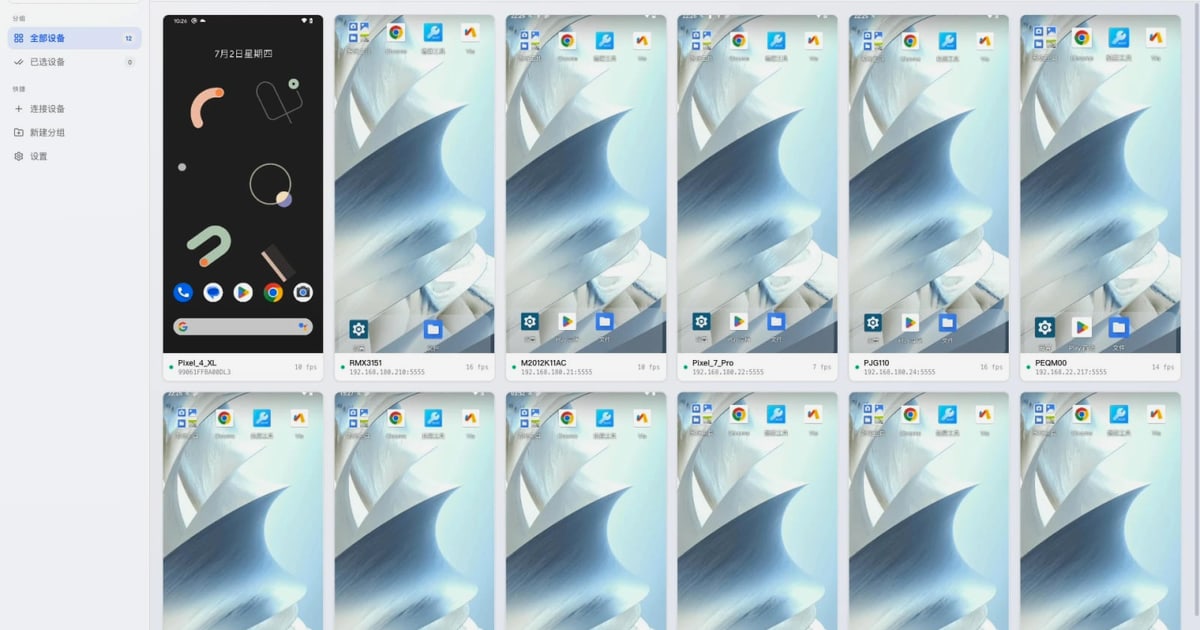
VMOS Product Matrix for Global Growth Review: Cloud Phones, AI Agents, and Multi-Account Reality
VMOS has moved well past being a single Android emulator. The VMOS Product Matrix for Global Growth bundles cloud phones, an AI agent, proxy services, SMS and email verification, AI content tools, and cloud storage into one cross-border operations stack. That breadth is the pitch. The question this review answers is whether the bundle actually holds together for teams running multi-account workflows — and where it starts to strain.
This is an independent, evidence-based look at what VMOS offers, who it fits, what it costs in practice, and when a dedicated Android cloud phone platform is the better call.
What the VMOS Product Matrix Actually Includes
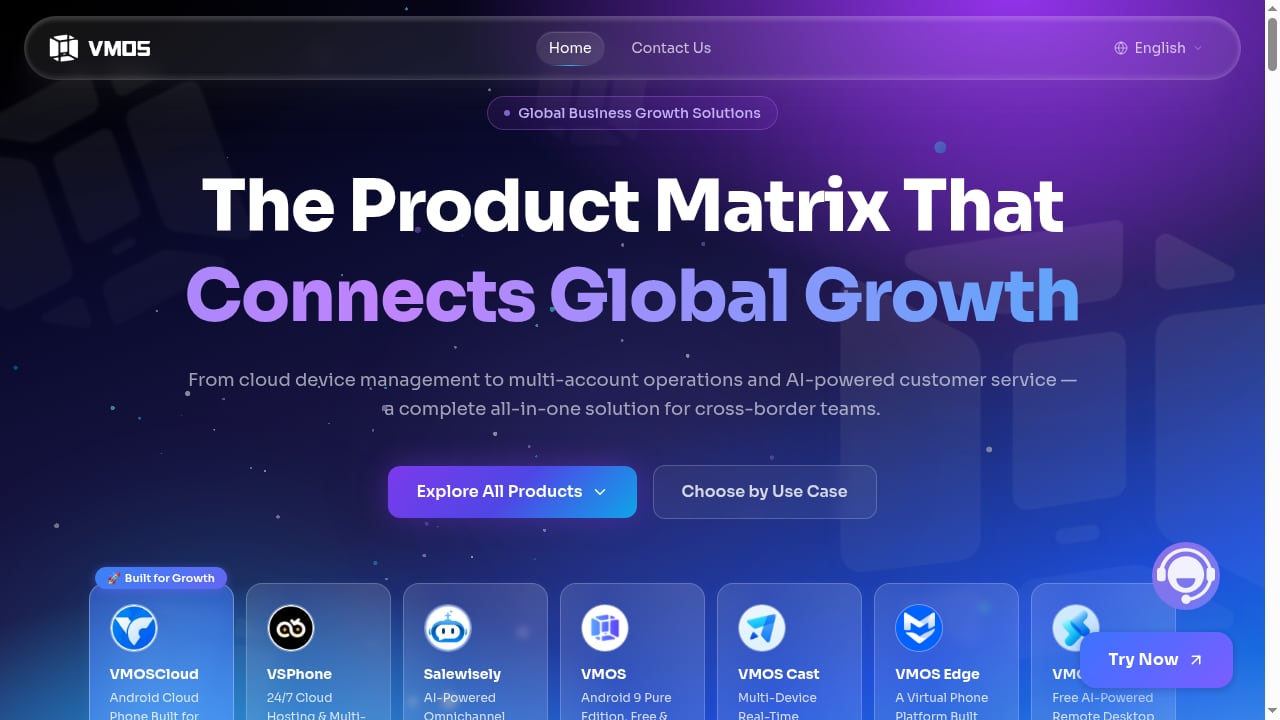
First viewport screenshot of VMOS — Product Matrix for Global Growth.
VMOS Cloud is a cloud-based Android virtualization service: virtual Android devices run on remote servers and you control them through a client app or web interface. What separates the product matrix from a bare cloud phone is the surrounding ecosystem.
- Cloud phones across several device tiers, including a standard V08 machine and a high-end cloud real machine modeled on Google Pixel 7 Pro hardware.
- AI Agent automation, marketed as a first in the cloud phone category, with batch TikTok operations such as automated login, likes, comments, scheduled posting, and live broadcast setup.
- OwlProxy integration for static residential, dynamic, mobile, and static data center IPs.
- SMS receiver and email verification services for account registration across major platforms.
- AI creation tools for video generation, image-to-video, background removal, and image upscaling.
- Cloud storage and automation dashboards for TikTok and Facebook.
In other words, VMOS is selling an operating system for account matrices, not just a place to run Android apps.
Who VMOS Is Built For
First viewport screenshot of Contact — VMOS.
Social media and TikTok marketers
The AI Agent is clearly aimed at teams running many TikTok accounts. Automated posting, engagement, and live setup reduce manual labor — but they also sit directly in the path of platform detection systems, which is the central risk to weigh.
Mobile gamers and 24/7 app runners
At roughly $0.11 per day for the standard tier, keeping games like Roblox or Genshin Impact online around the clock is cheap compared with dedicated hardware.
App testers and developers
Access to real hardware models from Samsung, Huawei, Motorola, Nokia, Google Pixel, LG, Xiaomi, OPPO, and VIVO across different countries is genuinely useful for compatibility testing.
Affiliate marketers, dropshippers, and live streamers
Anyone managing storefronts, affiliate links, or multiple streaming accounts benefits from the batch control and verification services bundled in.
If your work is closer to browser-based account isolation than full Android environments, it is worth understanding the difference before committing — our comparison of DuoPlus Cloud Phone vs Multilogin vs GoLogin covers where real ARM Android devices beat anti-detect browsers and vice versa.
Strengths Worth Paying For
Google CTS certification. VMOS highlights Google Core Ecosystem certification, meaning the cloud phones run a native GMS-compatible environment. Apps that depend on Google Play Services — TikTok, Facebook, YouTube, WhatsApp — tend to work without the sideloading and crash issues common on uncertified Android environments. This is a real technical advantage, not marketing filler.
Android version flexibility. Support for Android 15 and the ability to switch between versions helps when an app demands a specific OS level.
Device model matching. Choosing cloud phone parameters that mirror your target audience's typical devices can improve authenticity signals when platforms inspect device data.
Integrated proxy and verification. Keeping proxies, SMS numbers, and email addresses inside one platform removes a lot of configuration friction compared with stitching together separate vendors.
Low entry pricing. The standard cloud machine at $0.11/day and minute-based timing devices starting at $0.006/minute (capped at $1/day) make small-scale testing affordable.
Limitations and Risks
À la carte costs add up. The base cloud phone rate is only part of the bill. Proxies, SMS numbers, and email verification are billed separately. A professional operation running 10 high-end cloud phones with static residential proxies lands around $135 per month before verification and automation fees.
Automation risk is under-documented. VMOS claims its AI simulates human behavior, but it does not publish detailed documentation on how that simulation avoids platform detection. Automated engagement sequences and coordinated cross-account actions are exactly what TikTok's detection systems target. Treat the AI Agent as a productivity tool with account-safety exposure, not a guarantee.
Breadth can mean shallow depth. When one platform sells cloud phones, proxies, SMS, email, AI video, and storage, each component competes for engineering attention. Specialists often go deeper on the one thing you actually depend on.
No transparent public price list. Pricing is modular and partly quote-based, which makes budgeting harder than platforms that publish full rate cards.
Pricing Signals: What You Should Expect to Pay
Based on the published tiers in current reviews, the cost structure looks roughly like this:
| Component | Indicative price |
|---|---|
| Standard cloud machine (V08) | ~$0.11/day |
| High-end cloud real machine (Pixel 7 Pro class) | ~$0.30/day |
| Timing device (minute billing) | from ~$0.006/min, capped ~$1/day |
| Static residential IP | ~$0.15/day |
| Static data center IP | ~$0.11/day |
| Dynamic IP | ~$1.00/GB |
| Mobile 5G IP | ~$1.15/GB |
| SMS verification | ~$0.01–$0.38+ per number |
| Email verification | from ~$0.02 |
| Cloud storage | 100GB for ~$1.9 |
For a 10-account setup with high-end devices and static residential proxies, budget roughly $135/month before verification and automation. Scale to 50 accounts and the same math pushes past $600/month, at which point comparing dedicated cloud phone platforms on per-device economics becomes essential.
Setup: What the First Week Looks Like
- Choose a device tier. Start with the standard V08 machine for testing; move to the high-end tier only for apps that need premium device parameters.
- Attach proxies. Decide between static residential (stable identity), mobile 5G (most authentic for mobile apps), or data center (cheapest). Match IP geography to the accounts you run.
- Provision verification assets. Buy SMS numbers and email addresses per platform, and expect Telegram and similar services to cost more than Facebook or PayPal.
- Install apps and confirm GMS. Thanks to CTS certification, Google Play and dependent apps should install cleanly — verify before scaling.
- Configure automation carefully. If you enable the AI Agent, start with one or two accounts and watch for platform warnings before expanding.
- Set budget alerts. Because billing is modular, track proxy and verification spend separately from device spend.
If you are pairing cloud phones with third-party network tools, our walkthrough on using DuoPlus Cloud Phone with ExpressVPN explains the proxy-versus-VPN distinction that trips up many first-time setups.
VMOS vs Dedicated Android Cloud Phone Platforms
First viewport screenshot of Privacy Policy — VMOS.
VMOS wins when you want one vendor for devices, proxies, verification, and AI content in a single dashboard, and when TikTok-centric automation is your core workflow.
A dedicated Android cloud phone platform tends to win when you need deeper device isolation, clearer per-device pricing, stronger batch control for dozens or hundreds of accounts, or ARM-level fidelity that generic virtualization can struggle to match. For teams comparing options seriously, our ranking of the top 10 Android cloud phones for multi-account automation in 2026 evaluates isolation, ARM fidelity, batch control, RPA, and pricing side by side.
A practical rule: if you run fewer than 20 accounts and value convenience over control, VMOS is reasonable. If account safety and scale economics dominate your decision, benchmark a specialist platform first.
Decision Criteria: Should You Choose VMOS?
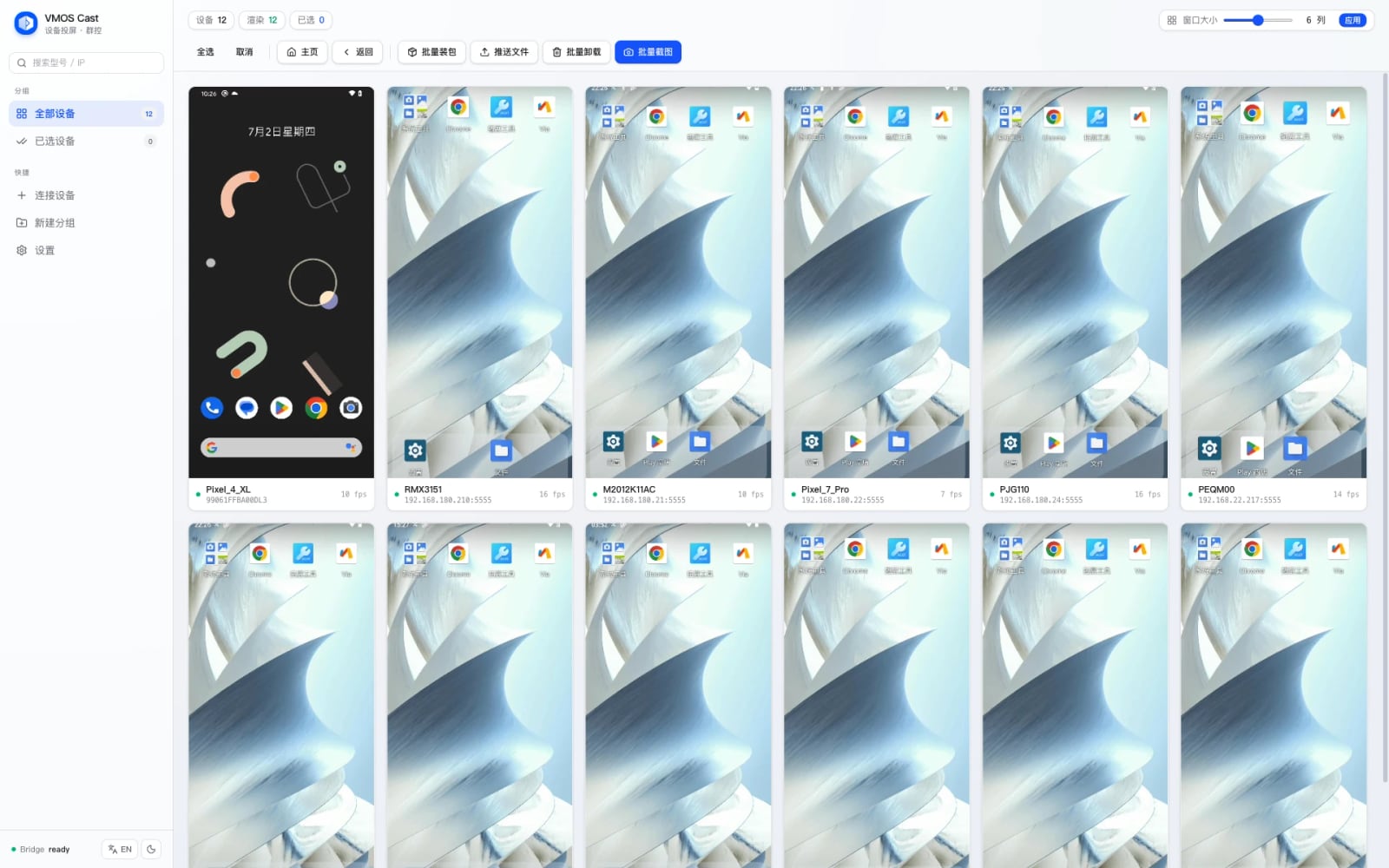
VMOS Cast multi-device screen mirroring.
Choose VMOS if:
- You want an all-in-one stack without managing multiple vendors.
- TikTok automation is central to your operation.
- You need Google-certified Android environments for GMS-dependent apps.
- You are testing at small scale and want low entry costs.
Look elsewhere if:
- You need documented, auditable anti-detection methodology.
- You manage large account fleets where per-device pricing transparency matters.
- You want a single specialist platform focused purely on Android cloud phones.
- You need predictable flat-rate billing rather than modular add-ons.
Related reading
- DuoPlus Cloud Phone vs BitBrowser: Best Antidetect for E-Commerce - DuoPlus Cloud Phone vs BitBrowser compared for e-commerce, Facebook, Instagram, and TikTok multi-accounting: real ARM Android devices vs a free antidetect browser.
Sources and further reading
- Value Management Office (VMO): The Complete Guide to Lean Portfolio Management - What is a Value Management Office (VMO)? First of all, I want to start with the term “value” itself. What is the business value? “A business is a value creation and distribution process. Before you can sell value to your customers, you have to first create it.” - Pooja
- VMOS Cloud review 2026: AI Agent, pricing + best alternative - Our honest VMOS Cloud review breaks down whether it's actually worth it, and where a more transparent alternative might serve you better.
- VAMOS: Value assessment method for smart services - ScienceDirect - M2 produces kitchen appliances for thermal food preparation in the B2B value chain and offers products to professional customers worldwide. ... review and comment ...
FAQ
Is VMOS Cloud safe for managing multiple accounts?
It provides Google CTS-certified Android environments and integrated proxies, which address device and network authenticity. However, VMOS does not publish detailed documentation on how its AI automation avoids platform detection, so account safety depends heavily on how conservatively you use the automation features.
How much does VMOS Cloud cost per month?
A single standard cloud phone runs about $0.11/day. A realistic 10-account professional setup with high-end devices and static residential proxies costs roughly $135/month before SMS, email, and automation fees.
Does VMOS support Google Play Services?
Yes. VMOS highlights Google Core Ecosystem certification, giving its cloud phones a native GMS-compatible environment so apps like TikTok, Facebook, YouTube, and WhatsApp function properly.
What is the VMOS AI Agent?
It is an automation layer for batch operations, with TikTok as the flagship use case: automated login, likes, comments, scheduled posting, and live broadcast setup across multiple devices in parallel.
What is the best VMOS alternative?
It depends on your priority. Anti-detect browsers suit browser-only workflows, while dedicated Android cloud phone platforms suit teams that need real ARM Android isolation and transparent per-device pricing at scale.
Conclusion
VMOS — Product Matrix for Global Growth is a genuinely broad platform: certified Android cloud phones, an AI agent, integrated proxies, verification services, and content tools under one roof. For small cross-border teams that want convenience and low entry costs, that bundle is attractive. For larger operations, the modular pricing, thin automation documentation, and jack-of-all-trades positioning are the trade-offs to weigh. Test at small scale, watch your total cost per account, and benchmark a dedicated cloud phone platform before you commit a full account matrix to it.